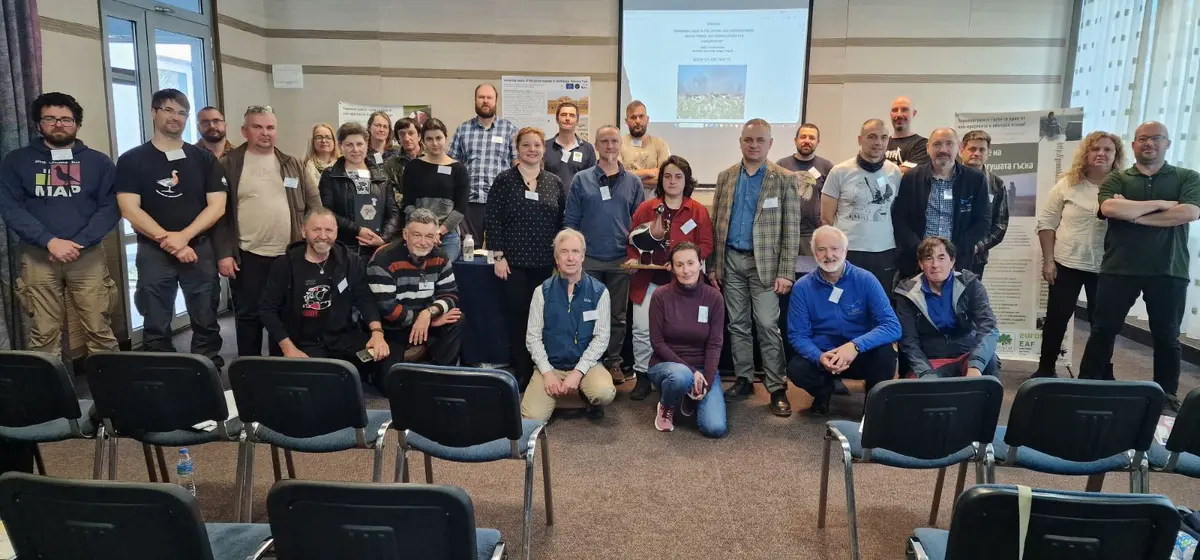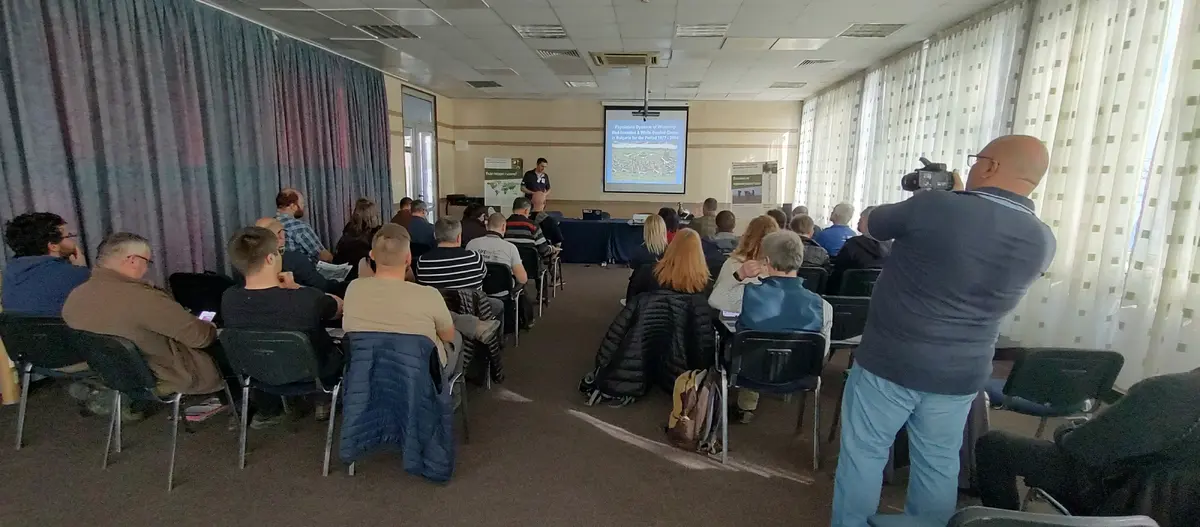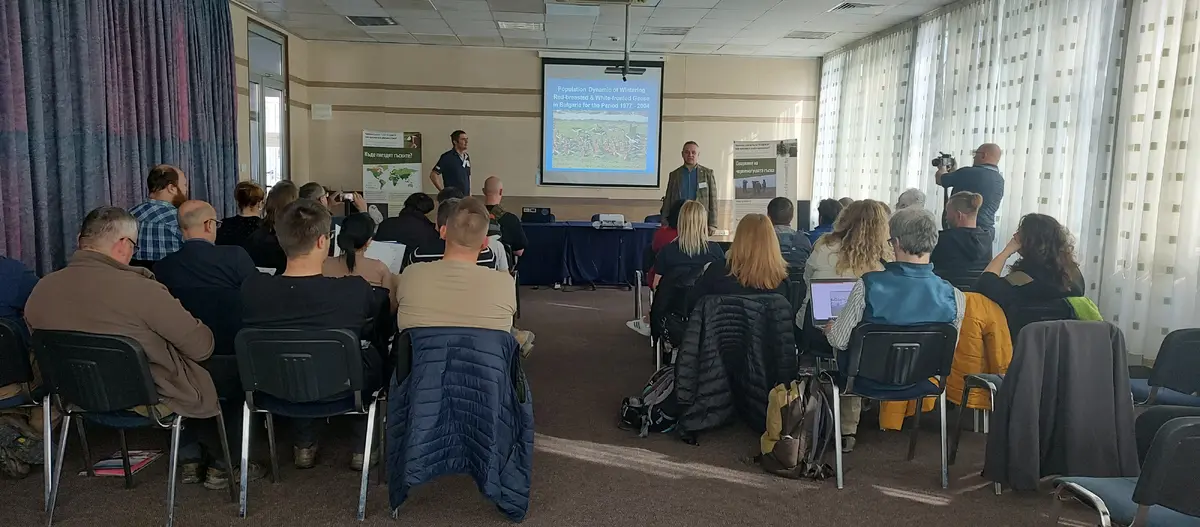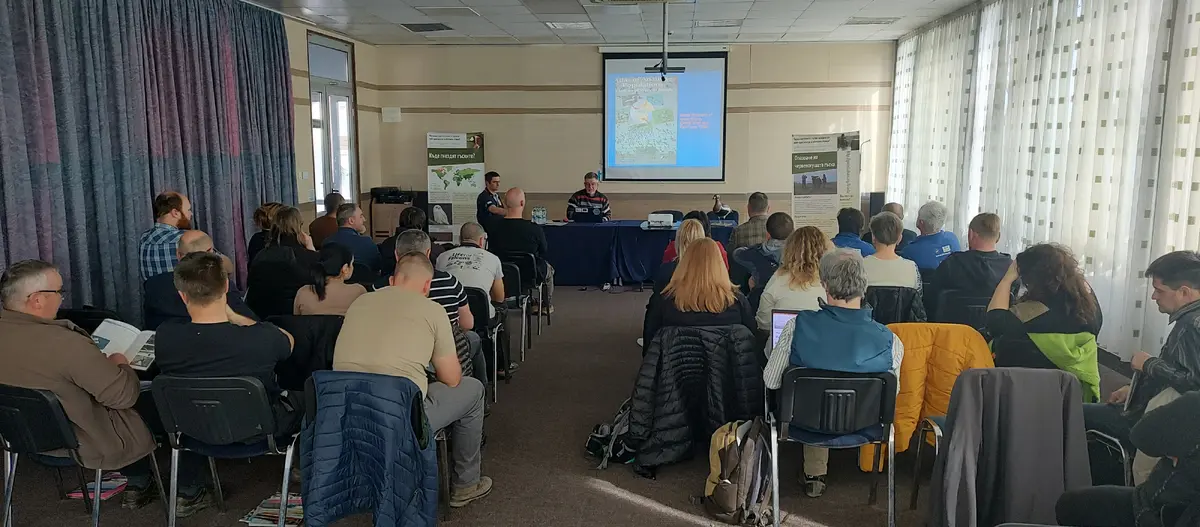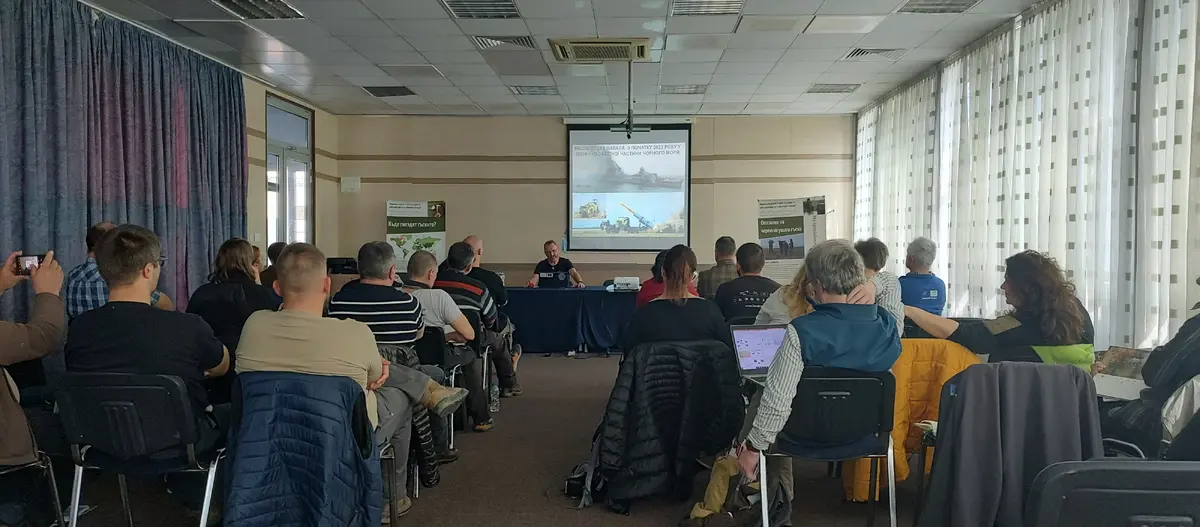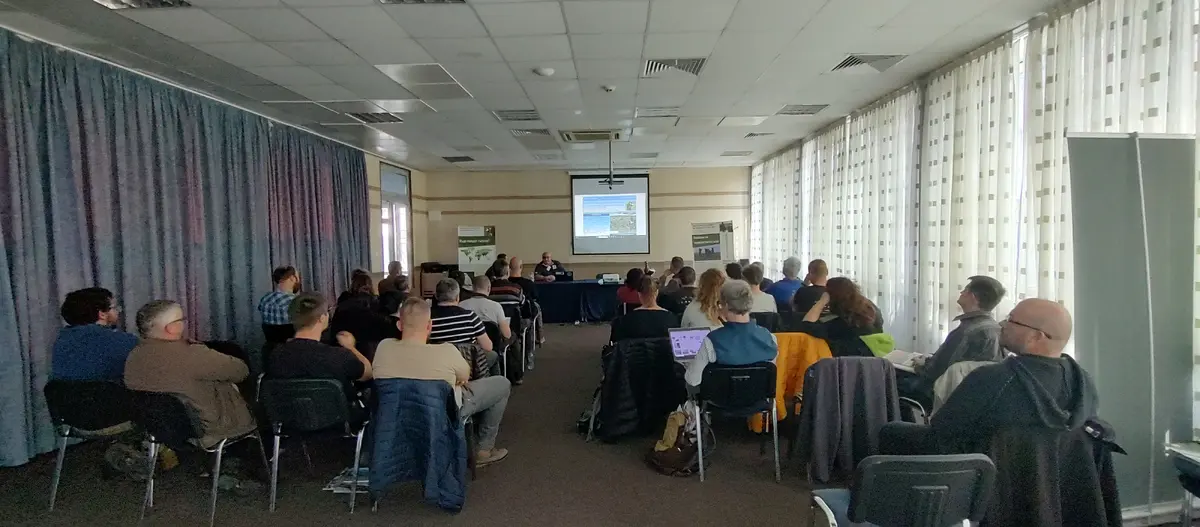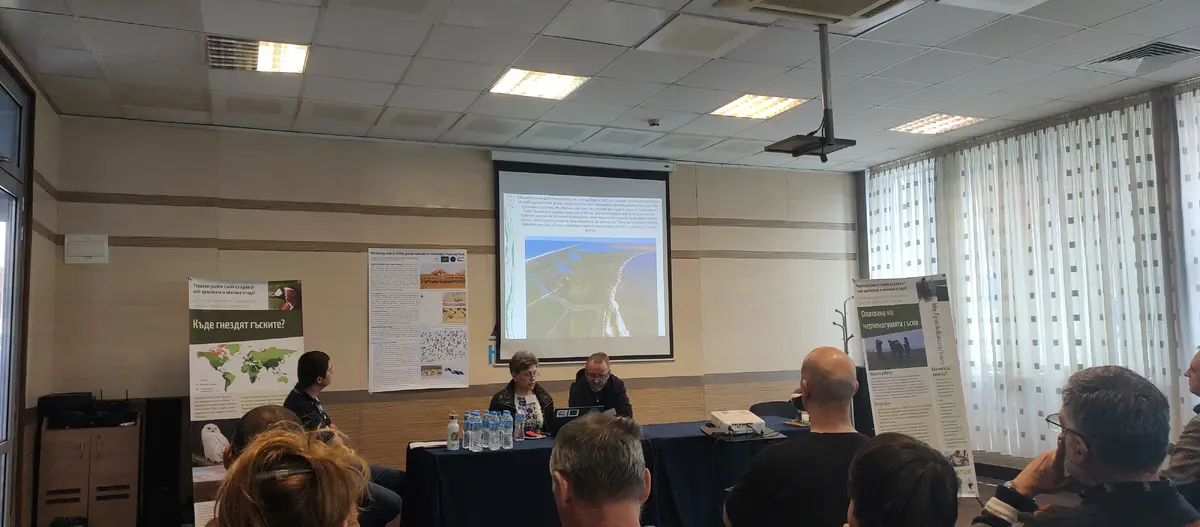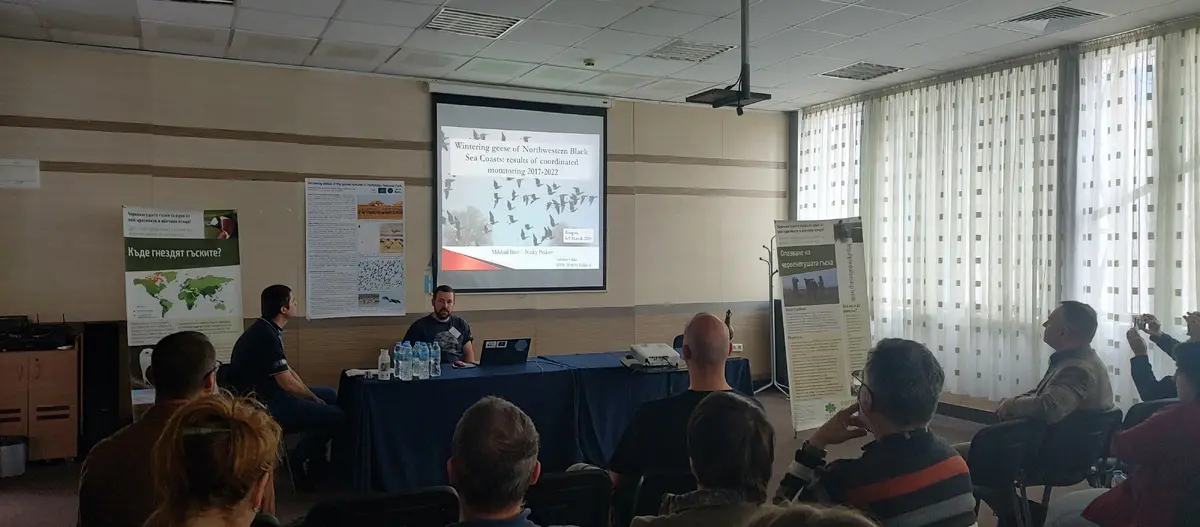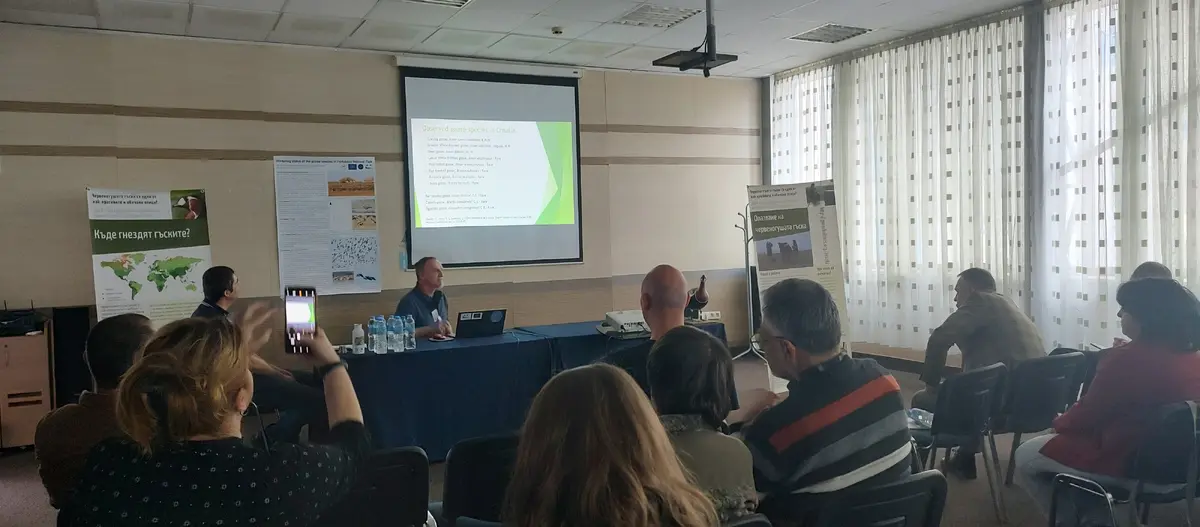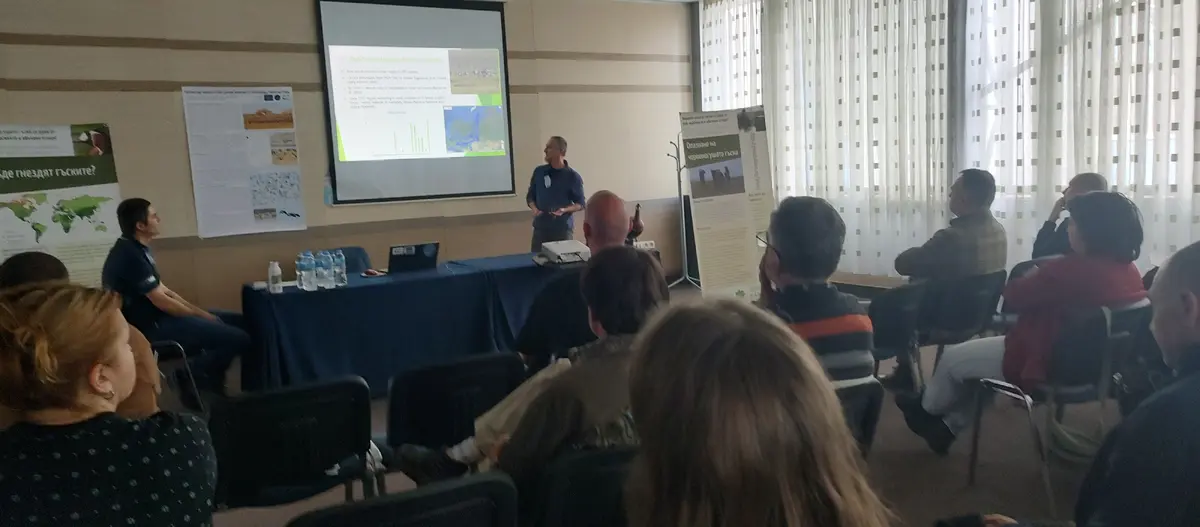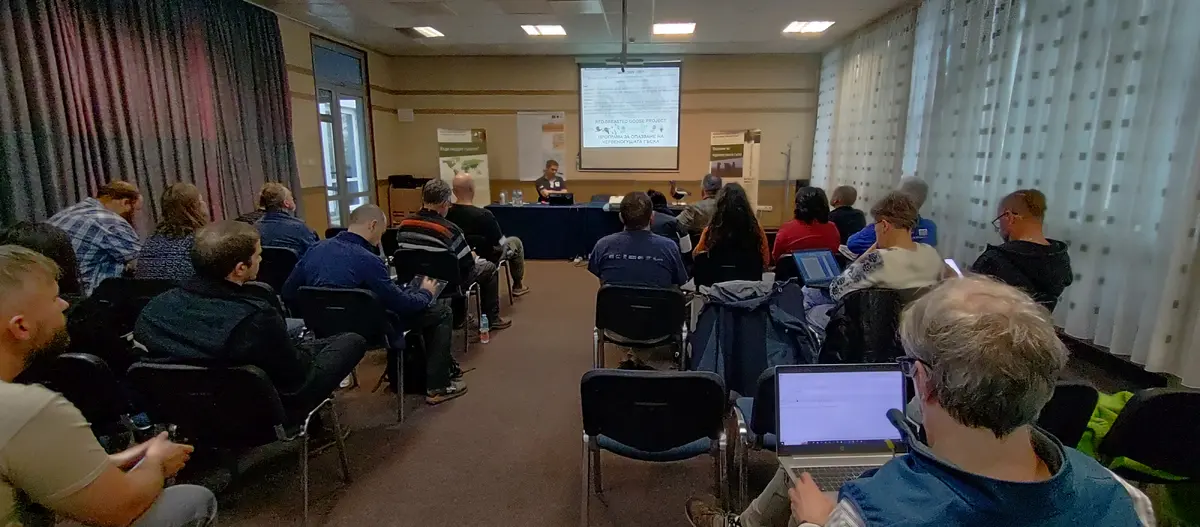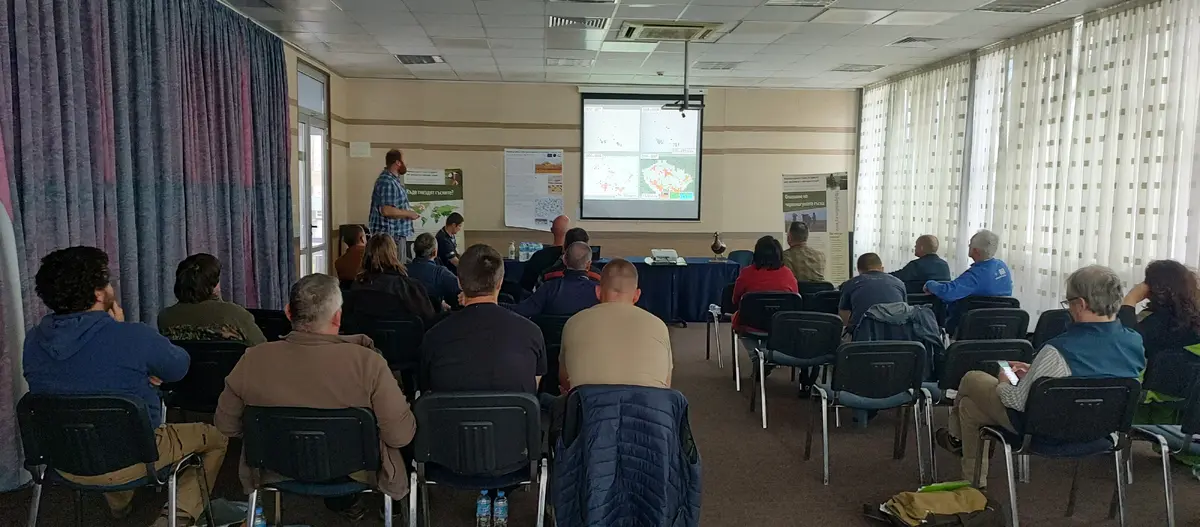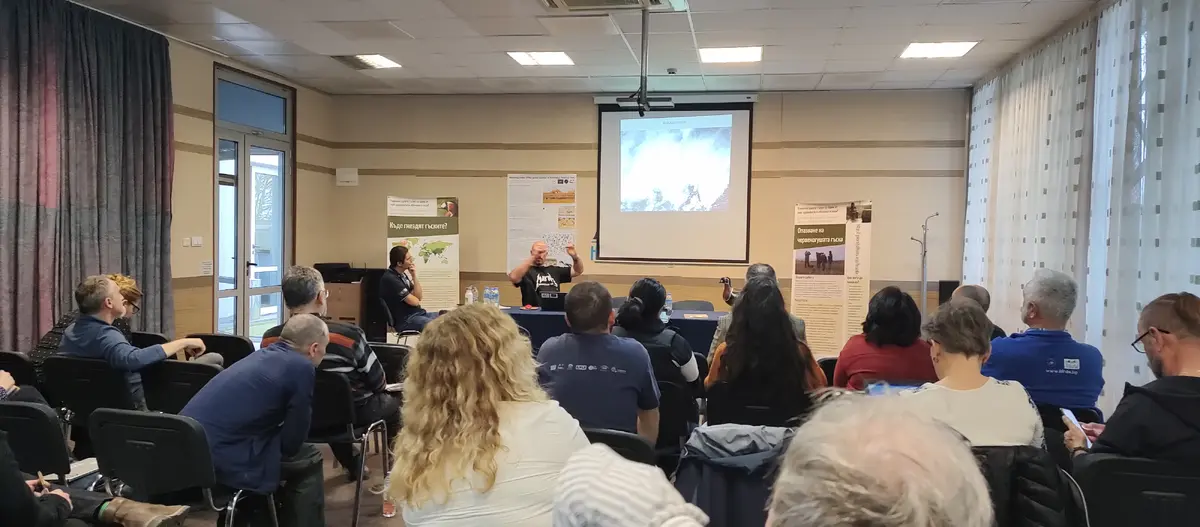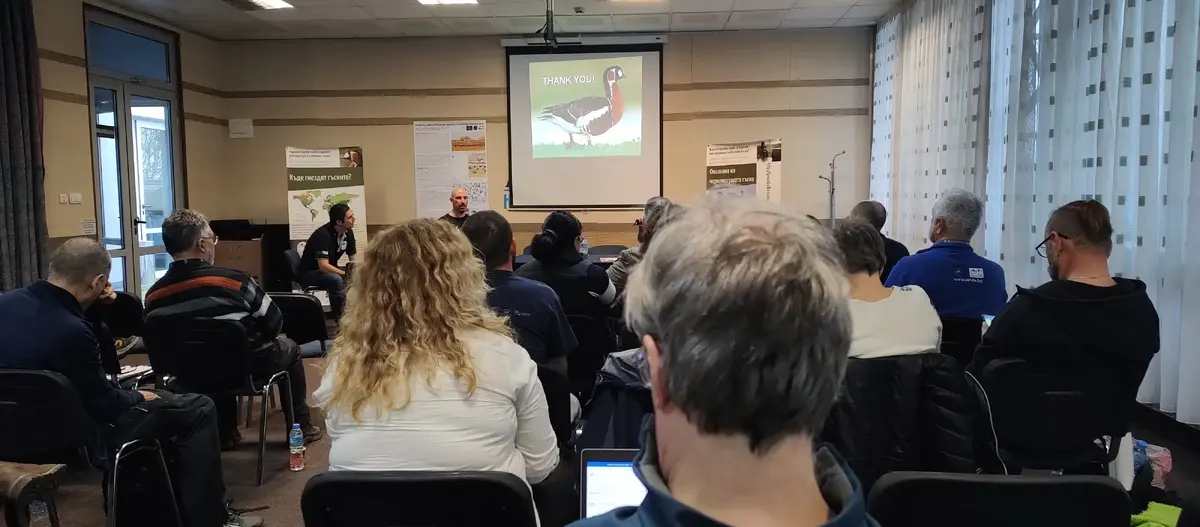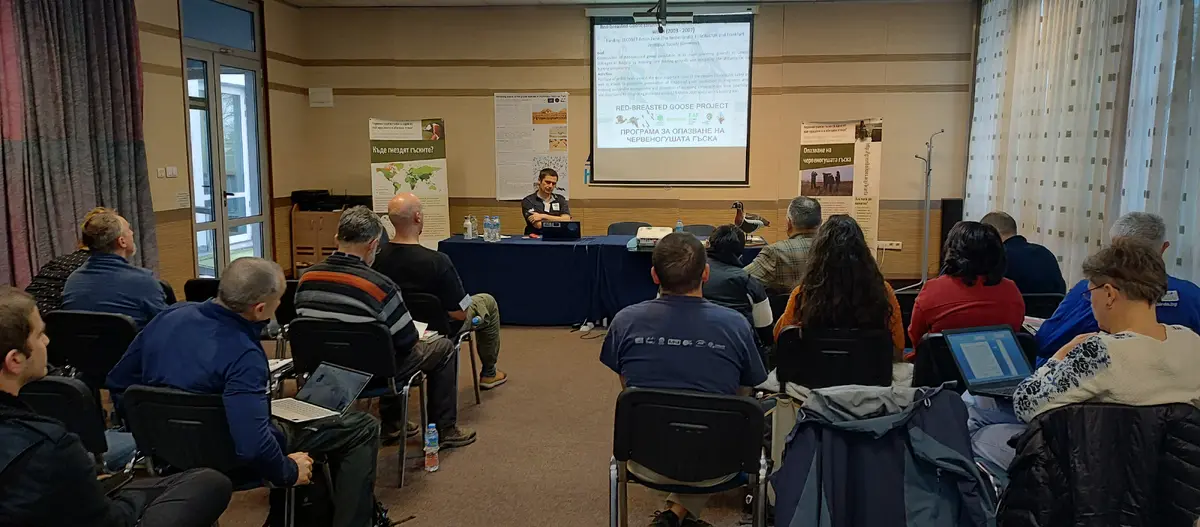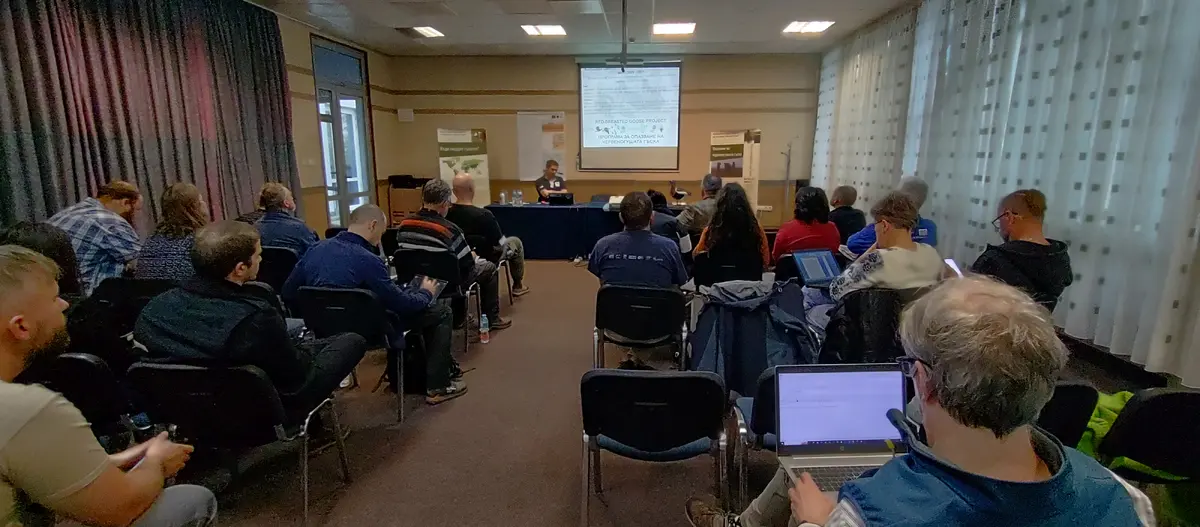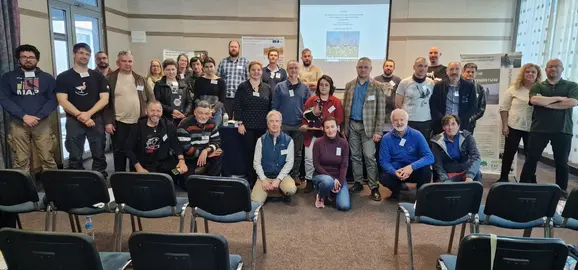
From March 6 to 9, an international seminar was held in the city of Burgas, organized by Green Balkans NGO on the topic "Wintering geese in Central and Eastern Europe - recent trends and somplications for conservation". The purpose of the event is to unite the efforts of scientists and conservationists from the region in order to better understand the contemporary changes in abundance and preferred wintering habitats of different species of geese. Representatives from different countries took part - Croatia, the Czech Republic, Ukraine, Hungary, as well as a number of leading environmental protection organizations and scientific institutes from Bulgaria - Green Balkans NGO, Agricultural University - Plovdiv, BSPB, National Institute of Meteorolgy and Hydrology, WRBC at Stara Zagora, Trakia University - Stara Zagora, Burgas University "Asen Zlatarov", National Natural History Museum - Sofia, "Le Balkan" Foundation.
In the last decade, a significant change has been noticed in the number of geese wintering in our country, especially the endangered Red-breasted goose. In addition to the changes in numbers, there is also a shift in the preferred habitats for wintering, as one of the hotspot regions for geese in our country – Coastal Dobrogea, for example, has lost its importance as such, and more and more geese gather during the winter period in the region of the Burgas Lakes. These and other changes in the behavior of animals, as well as the accompanying climate changes, have long caused concern in the scientists, and a lot of data has been collected over the years. These data were precisely the subject of discussion, exchange and analysis during the seminar.
During the seminar, data were presented on the latest trends in the numbers of wintering geese in Bulgaria, Croatia, Czech Republic, Hungary and Ukraine, and the problems faced by the birds during their migration were raised - such as the Russian war in Ukraine, but also poaching, poisons, disturbance and others. Scientists from NIMH, Bulgaria presented data on the climate in recent years, the changes that have been observed and how this affects agriculture, considering that arable land is the main feeding habitat of wintering geese.
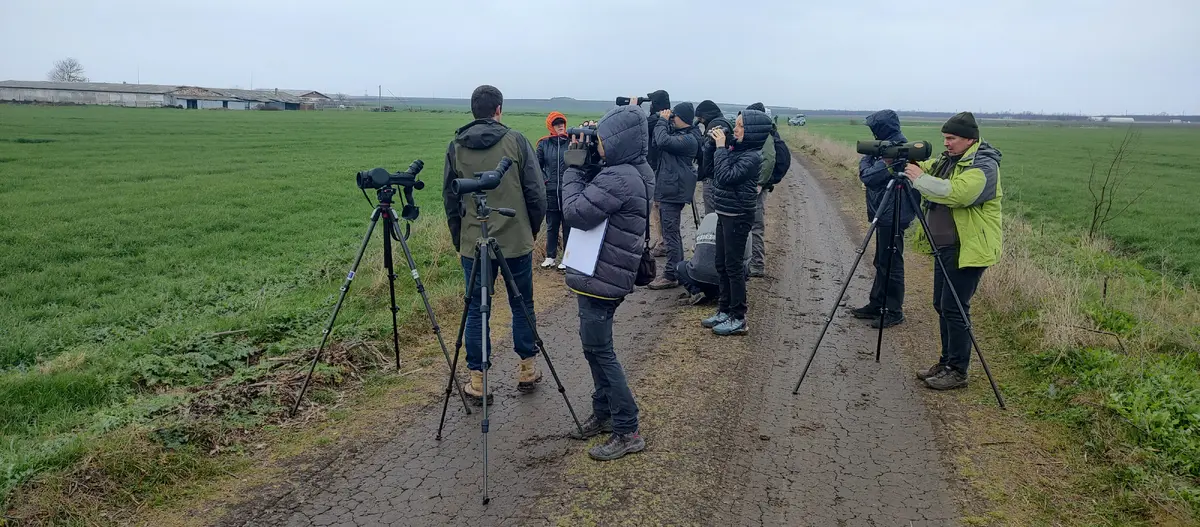
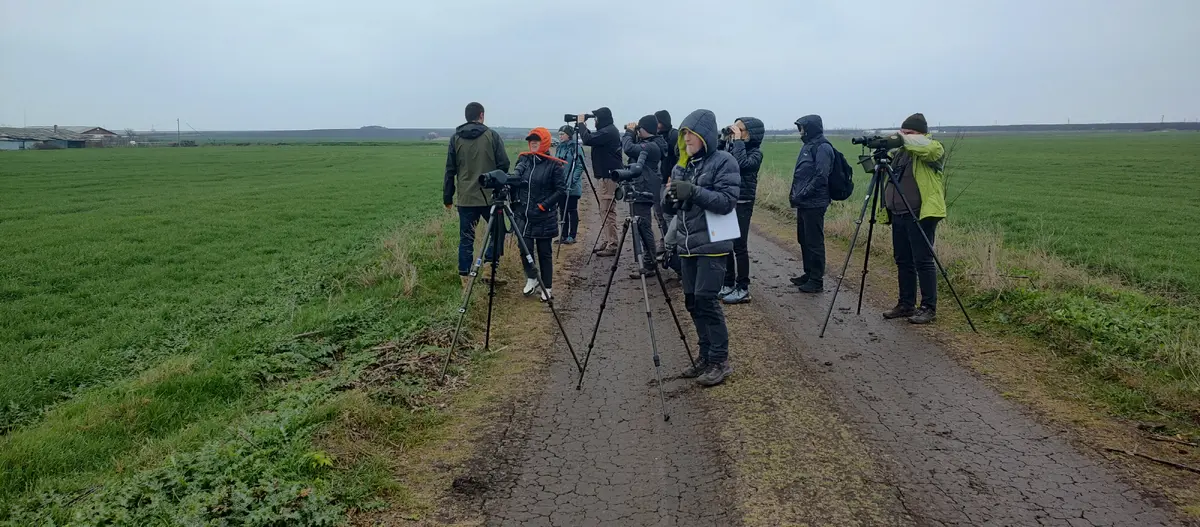
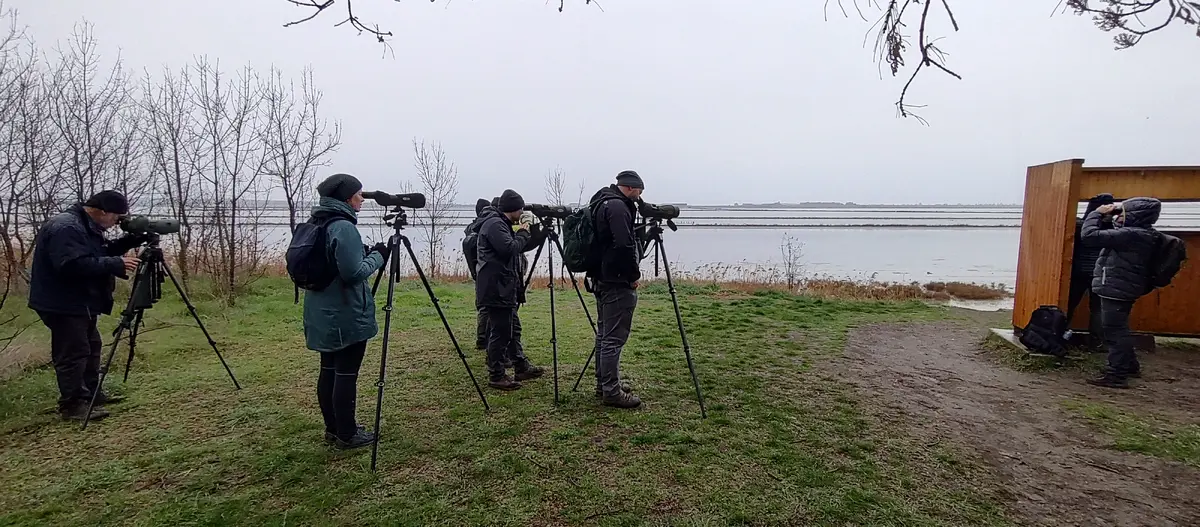
On the last day of the event, a field visit of the Burgas Lakes and Pomorie Lake was organized and the participants had the chance to observe the rich bird diversity of the wetlands in the region, the problems facing the protection of habitats and the activities that the Bulgarian nature protection community and Green Balkans in particular carry out. The persistent rain couldn’t suppress the enthusiasm of the participants fueled with observation of globally threatened species like the Dalmatian pelican and the White-headed duck.
The event was organized within the framework of the "Red-breasted Goose Project" of Green Balkans NGO.
For further information:
Dimitar Popov – dpopov@greenbalkans.org

In the last decade, a significant change has been noticed in the number of geese wintering in our country, especially the endangered Red-breasted goose. In addition to the changes in numbers, there is also a shift in the preferred habitats for wintering, as one of the hotspot regions for geese in our country – Coastal Dobrogea, for example, has lost its importance as such, and more and more geese gather during the winter period in the region of the Burgas Lakes. These and other changes in the behavior of animals, as well as the accompanying climate changes, have long caused concern in the scientists, and a lot of data has been collected over the years. These data were precisely the subject of discussion, exchange and analysis during the seminar.
During the seminar, data were presented on the latest trends in the numbers of wintering geese in Bulgaria, Croatia, Czech Republic, Hungary and Ukraine, and the problems faced by the birds during their migration were raised - such as the Russian war in Ukraine, but also poaching, poisons, disturbance and others. Scientists from NIMH, Bulgaria presented data on the climate in recent years, the changes that have been observed and how this affects agriculture, considering that arable land is the main feeding habitat of wintering geese.
On the last day of the event, a field visit of the Burgas Lakes and Pomorie Lake was organized and the participants had the chance to observe the rich bird diversity of the wetlands in the region, the problems facing the protection of habitats and the activities that the Bulgarian nature protection community and Green Balkans in particular carry out. The persistent rain couldn’t suppress the enthusiasm of the participants fueled with observation of globally threatened species like the Dalmatian pelican and the White-headed duck.
The event was organized within the framework of the "Red-breasted Goose Project" of Green Balkans NGO.
For further information:
Dimitar Popov – dpopov@greenbalkans.org