News

...
03.10.2026
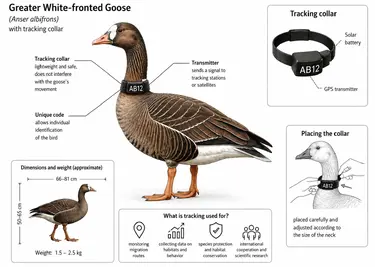
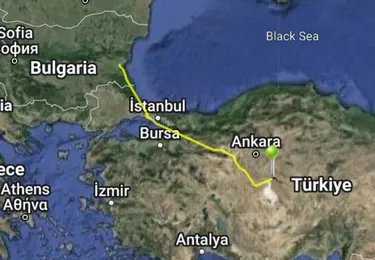
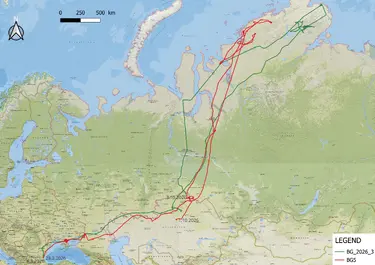
The first two of seven Greater White-fronted Geese fitted with GPS transmitters in March this year have already returned from their breeding grounds in the Far North. The data reveal remarkable migration routes spanning Bulgaria, Kazakhstan and the Taimyr Peninsula. The first two tagged birds, identified by the codes BG5 and BG-2026-3, are now on their return journey from their Arctic breeding grounds. Thanks to the GPS transmitters, we can track in detail the thousands of kilometres these birds travel during their seasonal migrations.

Details
...
07.09.2026
Once again this year, Shabla turned into a colourful stage of wind, music and nature! A team from Green Balkans took part in the 15th-anniversary edition of the Shabla Kite Festival. This celebration brings together people from different parts of the world through their love of the sky, freedom, and the beautiful nature of Coastal Dobrogea. 
Details
...
13.07.2026
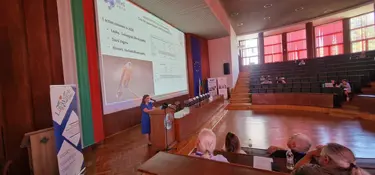
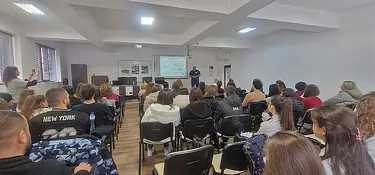
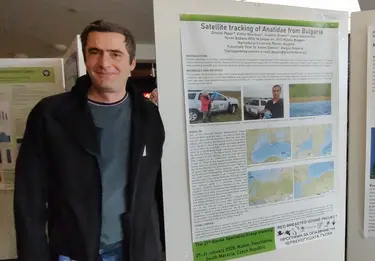
From 7 to 10 July 2026, the city of Plovdiv hosted the LifeWatch ERIC Biodiversity & Ecosystem eScience Conference (BEeS2026), one of the leading international scientific events dedicated to biodiversity, ecosystems, and cutting-edge technologies for their research and conservation. The conference was hosted by the Agricultural University of Plovdiv, bringing together scientists, researchers, conservationists, and environmental experts from across Europe and beyond to exchange knowledge and promote innovative approaches to biodiversity conservation.
Details
...
29.04.2026
At the beginning of March, seven Greater White-fronted geese (Anser albifrons) were fitted with GPS transmitters in the area of Atanasovsko Lake (Burgas). Nearly a week later, the first two birds set off north and reached Romania, where they spent some time in Europe’s largest wetland – the Danube Delta. There, they feed and build up the energy they will need for the long flight north.
Details
....
09.03.2026
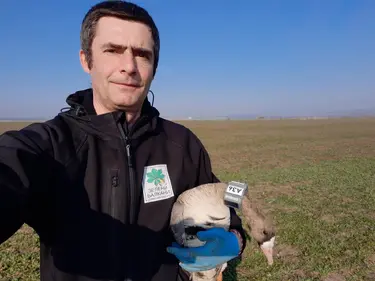
Seven Great white-fronted geese were successfully tagged with GPS transmitters near Burgas, in the Atanasovsko Lake area. The activity was implemented by experts from Green Balkans and is part of the organization’s long-term program for the conservation of the globally endangered Red-breasted goose. Three of the transmitters were provided by Radboud University in the Netherlands, as part of a project studying the differences in migration routes across the North Sea and across Pannonia. So far, data from the Pannonian migration route is quite limited, which makes tagging these individuals very valuable.
Details
...
17.02.2026
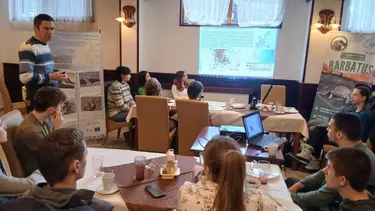
Last weekend, our team conducted a monitoring of wintering waterfowl in Coastal Dobrudzha together with the student club "Barbatus" at Trakia University, Stara Zagora. Winter is the season in which many bird species arrive in our country from the north to spend these unfavorable months in relatively milder conditions. A team from Green Balkans conducts annual monitoring of the species composition, numbers, and habitats during this delicate period. A greater focus falls on wintering goose species, and especially the globally endangered species of Red-breasted goose.
Details
...
05.02.2026
This past season, our team was once again able to fit three individuals of the Greater white-fronted goose species with GPS transmitters. The species usually forms mixed flocks with the globally endangered Red-breasted goose. In this way, the individuals fitted with transmitters provide us with a great deal of information about the movement and behavior of the flocks of both species.
Details
...
07.02.2025
The organizers of the event were the Regional Inspectorate for Environment and Water in Plovdiv, the Department of Ecology and Environmental Protection of Plovdiv University "Paisiy Hilendarskii", the Faculty of Plant Protection and Agroecology of the Agricultural University - Plovdiv, and also our team from Green Balkans and our colleagues from the Bulgarian Society for the Protection of Birds.
Details
...
21.01.2025
On January 20, a Green Balkans team conducted bird monitoring at Pomorie Lake. The activity is part of the international census of waterfowl across the Western Palearctic (the bioregion that encompasses Europe, North Africa, and the Middle East).
Details
...
06.01.2025
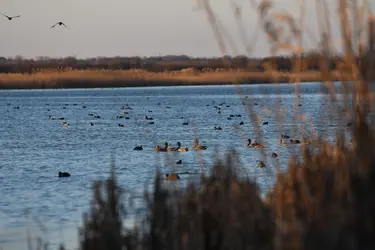
Whooper swans, Tundra swans and other waterfowl – the season of wintering birds in Coastal Dobrogea has begun. For another year, this is happening in the absence of snow and a real winter environment. However, instinct continues to lead thousands of birds to the lakes of Coastal Dobrogea, seeking refuge and food. Having flown huge distances from their native places, where the winter is harsh enough, they have arrived here in the hope of surviving until next spring, when they will return home again.
Details
...
08.06.2024
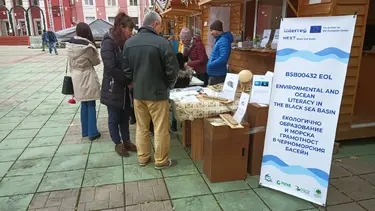
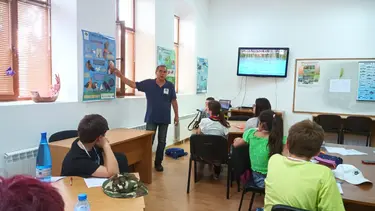
Our team held more meetings with children and young people on the occasion of World Environment Day to tell about the treasures of nature in Dobrogea and why it is important to protect them. The event was held in the form of an Educational Forum under the title "The Riches and Risks of Dobrogea". It was attended by students from the 5th and 7th grades at "Asen Zlatarov" Shabla Secondary School and graduates of "Yordan Yovkov" Kavarna Secondary School.
Details
...
21.05.2024
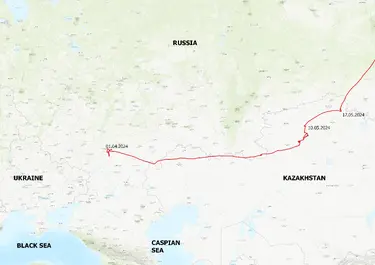
There has been a great deal of excitement with the Great white-fronted goose, which was tagged with a satellite-transmitter by our team this winter, and has again sent us its location. The bird is currently migrating to the nesting grounds. The long way there goes through Ukraine, Russia and Kazakhstan. Due to lack of coverage, there are sometimes periods of silence when we don't know what's going on with the bird, where it is, or if it's okay.
Details
...
20.05.2024
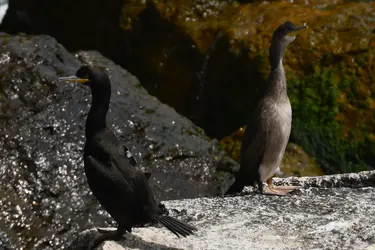
In the past month, our team achieved another incredible success - tagging two European shag individuals (Gulosus aristotelis) with GPS transmitters, a species rare for our country, which is included in the Red Book of Bulgaria as Vulnerable. One of the individuals is an adult and is from the breeding colony near the village of Tyulenovo, and the other is a young bird from the colony on the island St. Ivan near Sozopol.
Details
...
07.05.2024
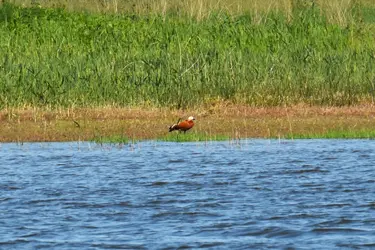
Yesterday, Green Balkans experts paid a "visit" to a special bird - a Ruddy shelduck, which was equipped with a satellite transmitter at the end of March. The Ruddy shelduck (Tadorna ferruginea) is a critically endangered species in Bulgaria that is rarely found in our country, mainly in North-Eastern Bulgaria and around Burgas. The bird is male, it underwent successful treatment at the Rescue Center of Green Balkans in Stara Zagora and was subsequently released in the Atanasovsko Lake area, Burgas, and our team informed you about it.
Details
...
29.04.2024
We would like to tell you about an amazing journey. The journey far north taken by four of our team's favorites – Great white-fronted geese, rescued and treated at the Green Balkans' Wildlife Rescue Center. The birds were fitted with satellite transmitters before being released into the wild and some of them now send us regular information about their journey north to the places where they will raise their chiks.
Details
...
25.03.2024
Yes, spring is already felt everywhere. Climate change has reduced our winter to a few weeks in recent years, plus some surprising reminders in March. But the winter habitats of the geese have not lost their importance and, although with decreasing numbers, wintering birds continue to visit Coastal Dobrogea every year.
Details