This year Wetlands Day, the 2nd of February, was full of emotions for Green Balkans' team. Together with Regional Inspectorate for Environment and Water – Plovdiv, Bulgarian Society for the Protection of Birds, Youth Centre – Plovdiv, and participants in the Young Explorer Program, inquisitive citizens we celebrated World Wetlands Day.
This year on the 2nd of February we commemorate 51 years of ratification of the only international agreement (the Ramsar Convention), which affects the protection of extremely valuable ecosystems - those of wetlands. This year campaign's motto is "For People and the Nature" – this is a reminder that the importance of these areas for life on the planet is priceless. There are priority areas for conservation because their deterioration and destruction lead to the death of a huge number of animal and plant species that are found only there. Many of these species have not only an important ecological function but also a significant economic value from a societal point of view - often the livelihoods and survival of entire societies are traditionally associated with the use of wetland resources.
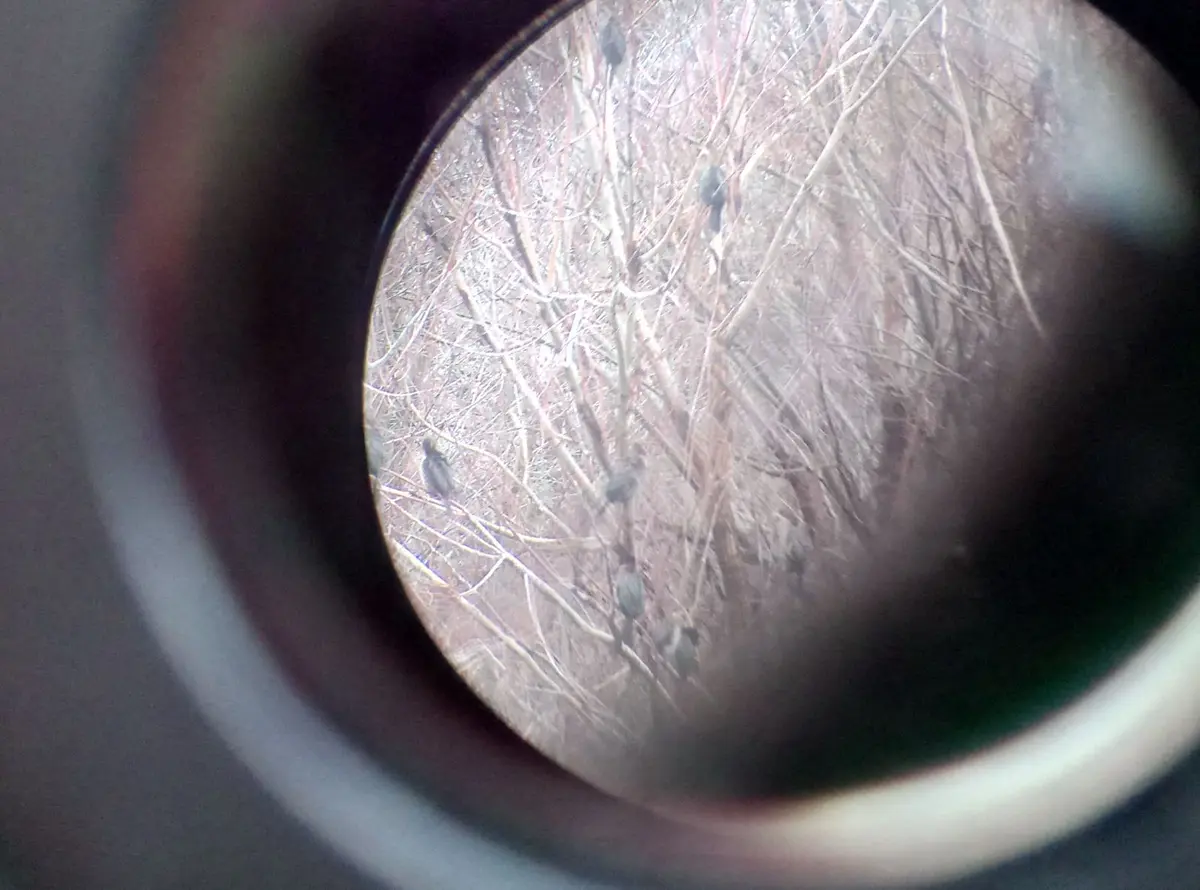
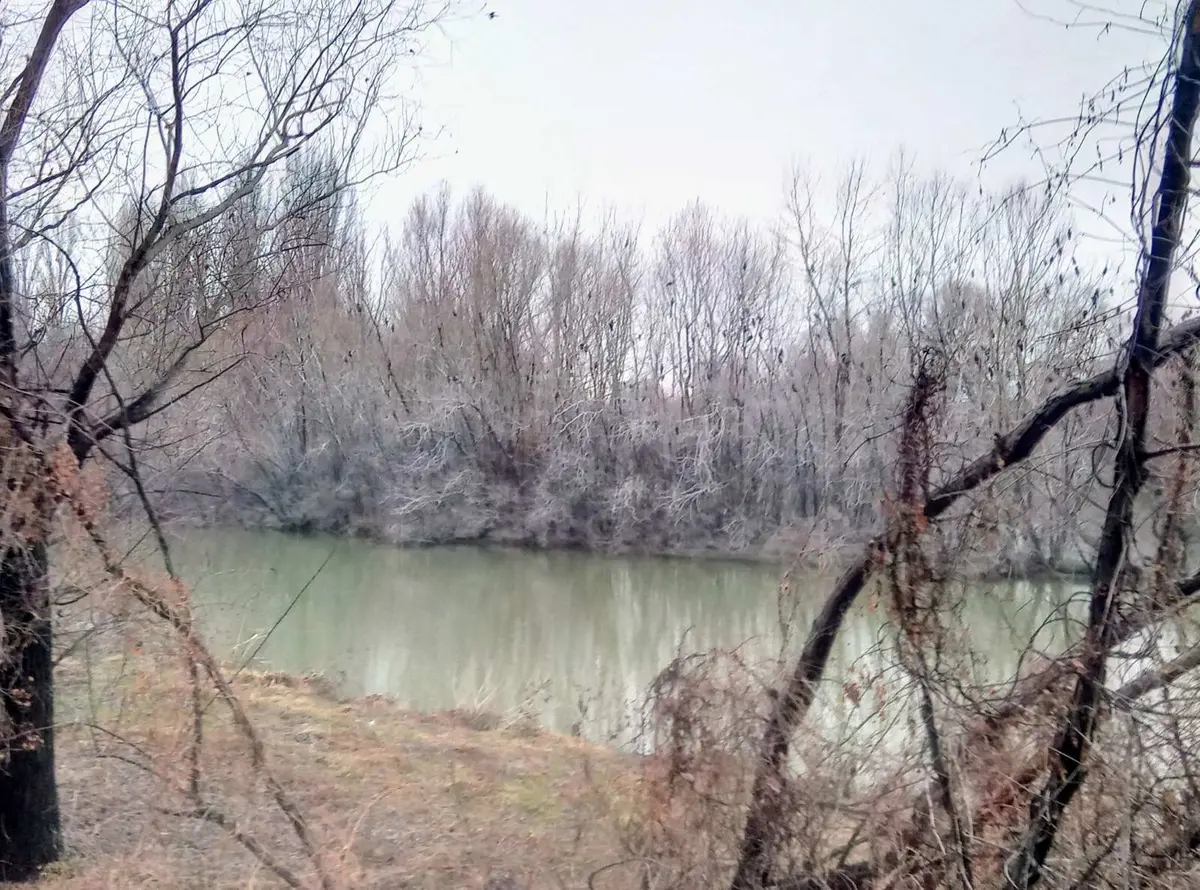
One of the species which indicates changes in the environment is the Pygmy Cormorant (Microcarbo pygmaeus). Together with the Regional Inspectorate for Environment and Water – Plovdiv, Bulgarian Society for the Protection of Birds we organized the traditional monitoring of winter stacking (as known as Pygmy Cormorant's overnight) of the species along the Maritsa River within the city of Plovdiv. More information about the species can be found HERE.
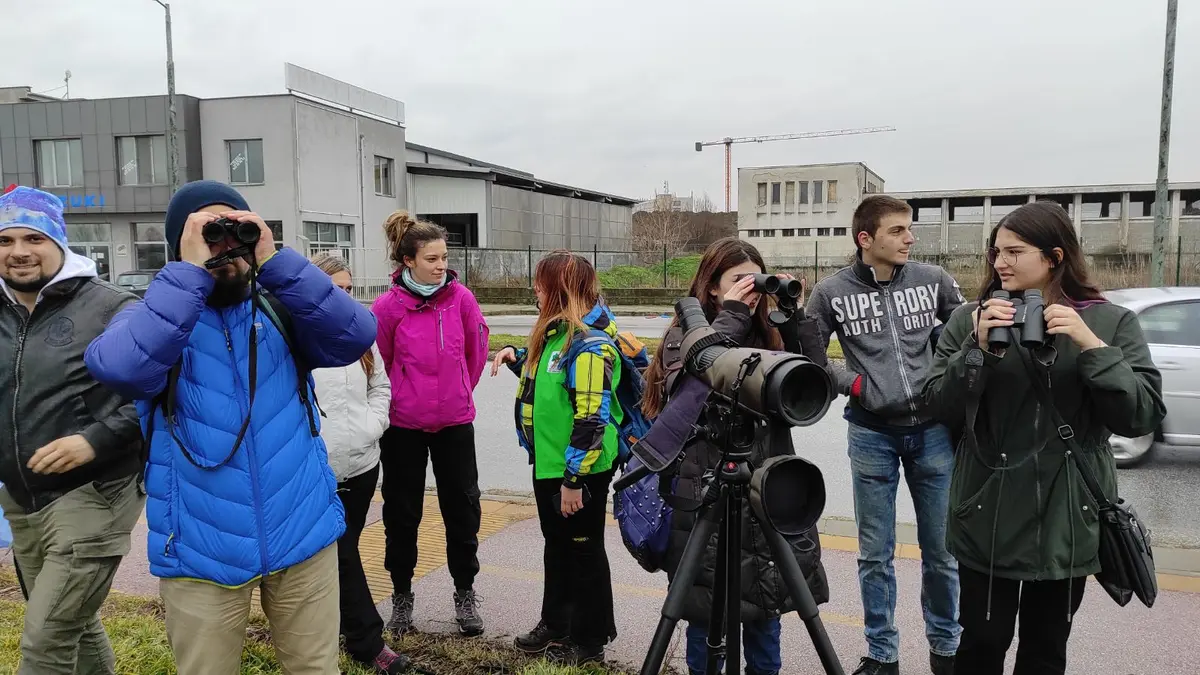
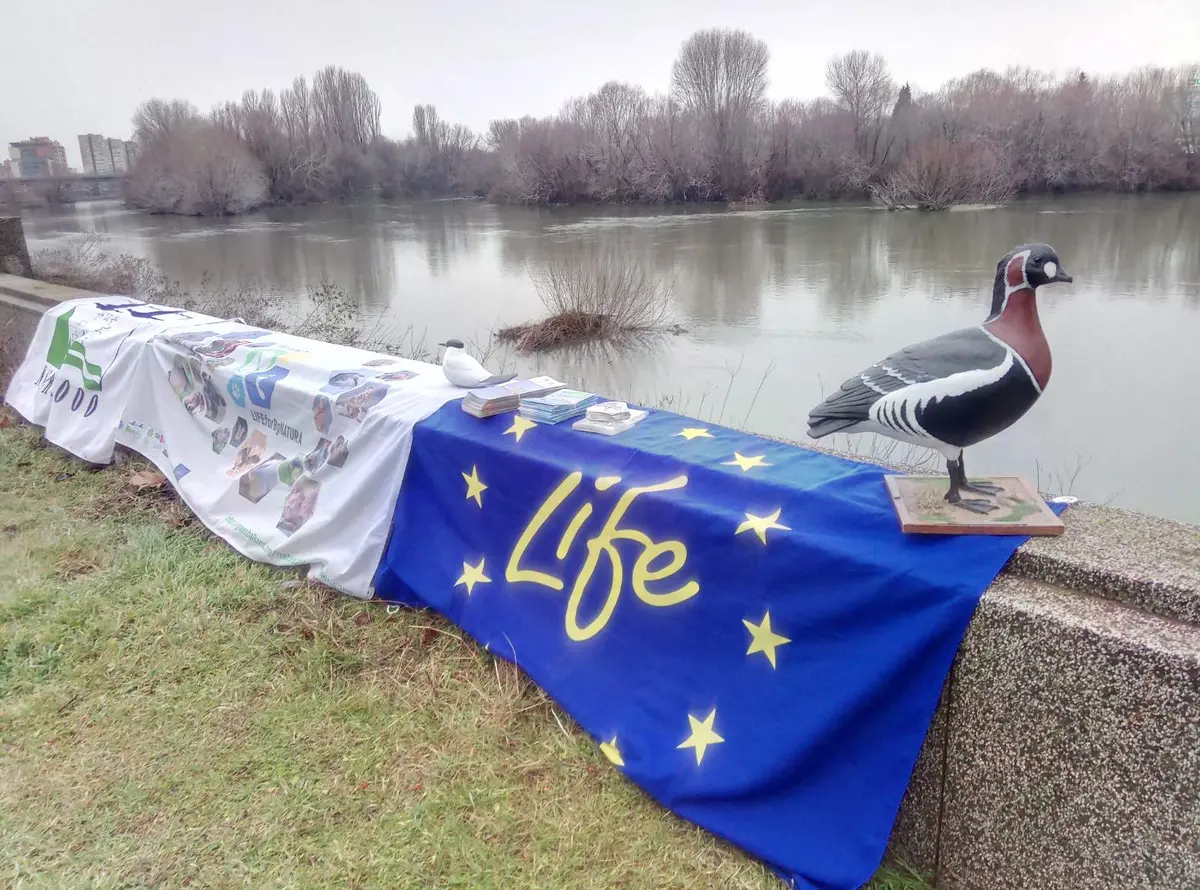
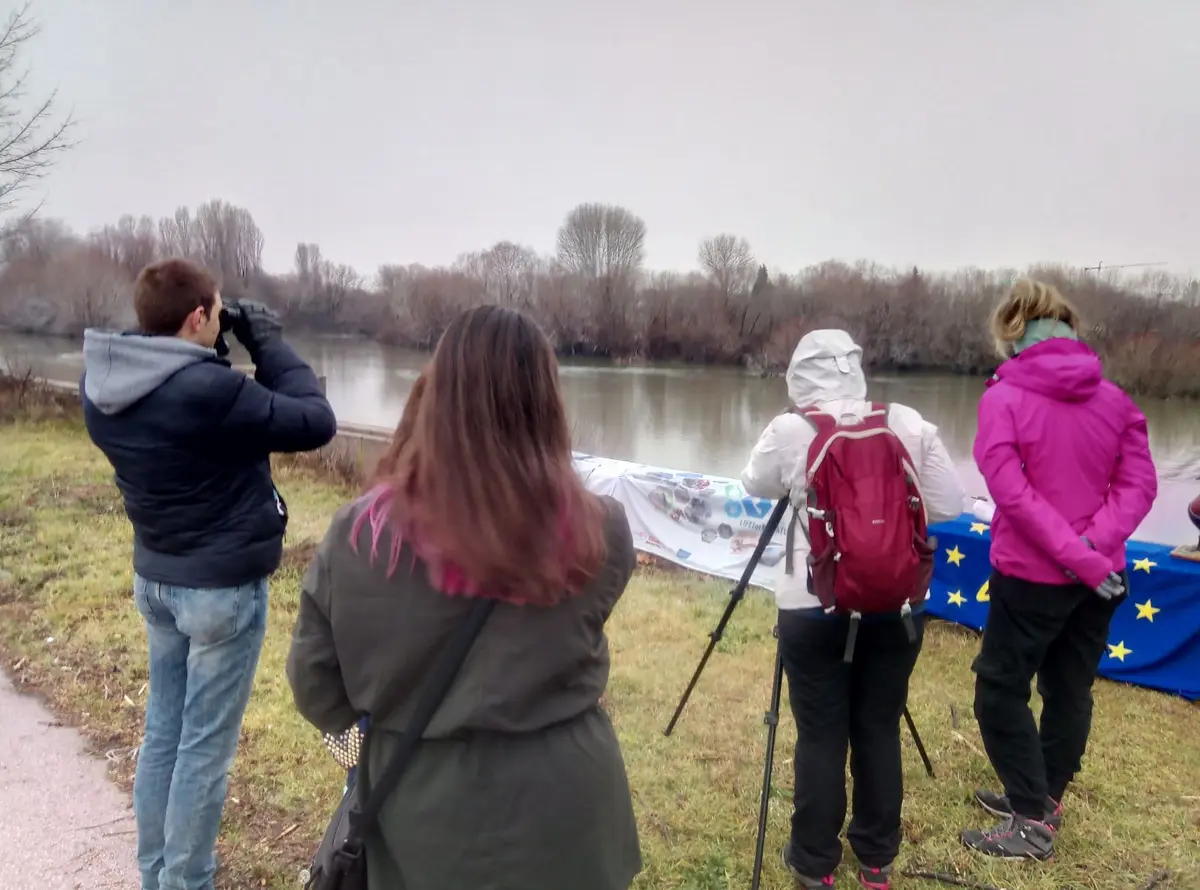
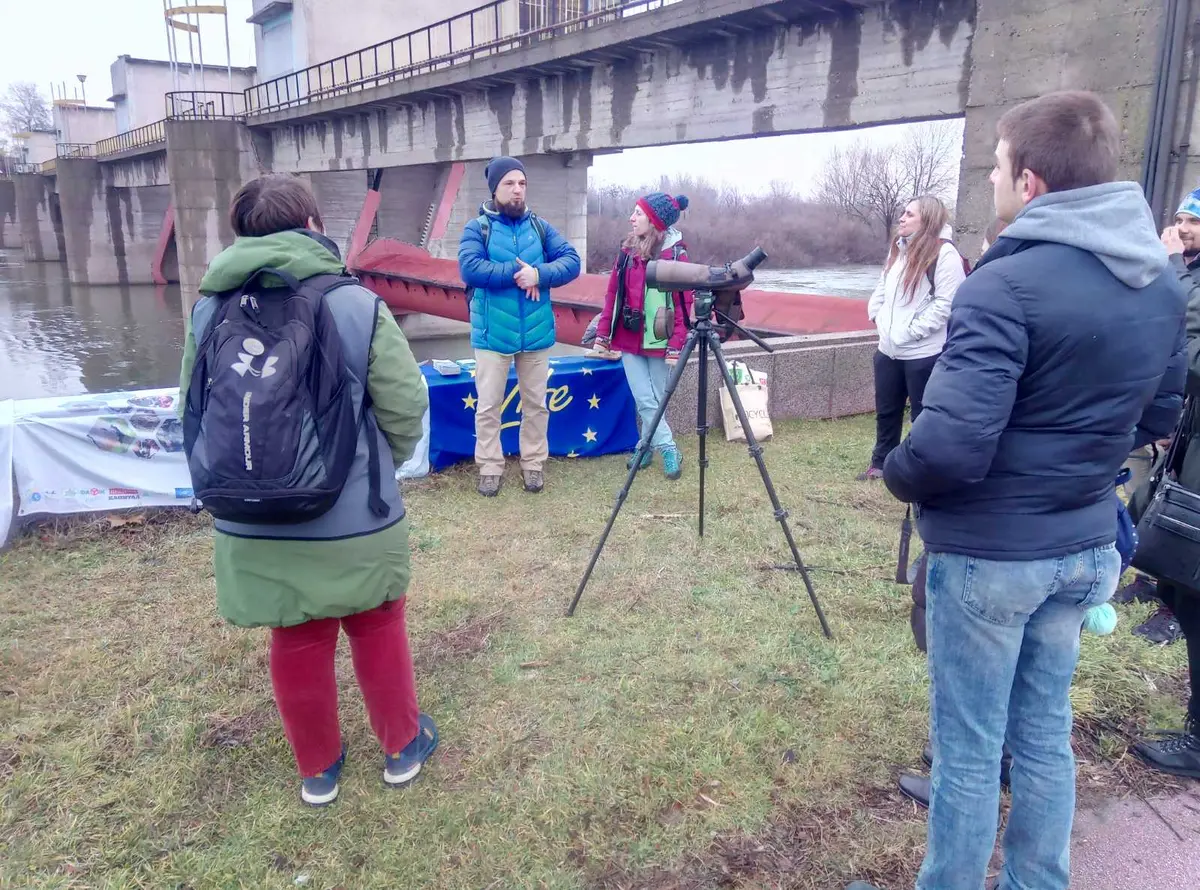
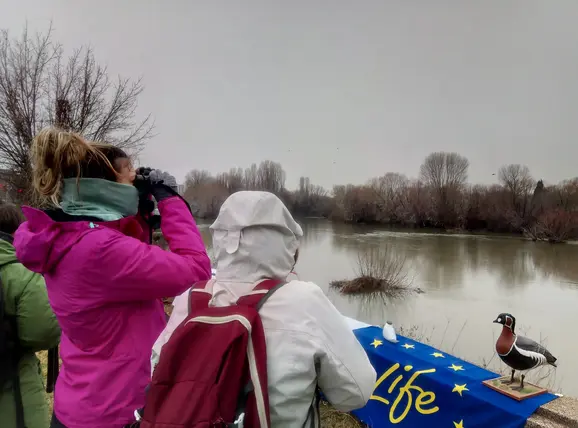
Although the bad weather nature-lovers came to acquire knowledge and to be inspired by the richness of our biodiversity. The event was also attended by participants in the program "Young Explorer", „Youth Centre Plovdiv" led by Alexander Petrov. During the open lesson, we presented information about the ecological network Natura 2000 and other waterbird species such as Sandwich Tern and Red-breasted Goose, whose key habitats are protected areas and Ramsar sites. The Wetlands Day coincided with the annual winter monitoring of the Pygmy Cormorant, and those who participated in the event had the opportunity to receive additional information about the incredible world of waterbirds and the Maritsa River provided by Vladimir Dobrev (Bulgarian Society for the Protection of Birds). The participants had the chance to observe the birds with binoculars and other special equipment. Leaflets, stickers, posters and information materials concerning "Natura 2000 in Bulgaria - New Horizons" LIFE17 GIE/BG/000371 were provided to the participants.
We would like to express our gratitude to all involved. Such initiatives aim to inform the public about the importance of wetlands, their rich biodiversity, and the necessary measures for their more effective conservation, restoration and sustainable use of their resources.
More about Wetlands day in Bulgaria:
Wetlands partially or completely overlap with national protected areas and Natura 2000 protected areas. On the project’s web page "Natura 2000 in Bulgaria - New Horizons" you can learn more about this and the differences between protected areas and zones, and details about the 11 wetlands in the country you can read from our leaflet presenting information about Ramsar places in Bulgaria and the Maritsa River.
Sandwich Tern
At the present the Sandwich Tern breeds only there and in Pomorie and Atanasovsko Lake. Thanks to years of hard work, nowadays the population of the species at Pomorie Lake is the largest on the Balkan Peninsula. Listed as an endangered species and included in the Birds Directive, the Sandwich Tern and its habitats are protected by the Natura 2000 ecological network.
The Red-breasted Goose
The Red-breasted Goose (Branta ruficollis) is a globally threatened species. The Red-breasted Goose is an object of protection from the ecological network Natura 2000. Bulgaria is an important place for the protection of the species - almost the entire world population spends the winter in the region of Primorska Dobrudzha.
Pygmy Cormorant
With only a few nests in the country, the Pygmy Cormorant is one of the three species of cormorants found in Bulgaria. The species is closely associated with inland waters and nests colonially, which make it vulnerable. One of the most endangered species, that’s why it is strictly protected and protected by the Natura 2000 ecological network.
Contacts:
Miroslava Mihaylova – PR Regional Inspectorate for Environment and Water – Plovdiv – mob. 088 23 88 720;
е-mail: riosv_pd_pr@abv.bg
Polina Hristova – Green Balkans, Mob.: +359 882508721, e-mail: phristova@greenbalkans.org
This year on the 2nd of February we commemorate 51 years of ratification of the only international agreement (the Ramsar Convention), which affects the protection of extremely valuable ecosystems - those of wetlands. This year campaign's motto is "For People and the Nature" – this is a reminder that the importance of these areas for life on the planet is priceless. There are priority areas for conservation because their deterioration and destruction lead to the death of a huge number of animal and plant species that are found only there. Many of these species have not only an important ecological function but also a significant economic value from a societal point of view - often the livelihoods and survival of entire societies are traditionally associated with the use of wetland resources.
One of the species which indicates changes in the environment is the Pygmy Cormorant (Microcarbo pygmaeus). Together with the Regional Inspectorate for Environment and Water – Plovdiv, Bulgarian Society for the Protection of Birds we organized the traditional monitoring of winter stacking (as known as Pygmy Cormorant's overnight) of the species along the Maritsa River within the city of Plovdiv. More information about the species can be found HERE.
Although the bad weather nature-lovers came to acquire knowledge and to be inspired by the richness of our biodiversity. The event was also attended by participants in the program "Young Explorer", „Youth Centre Plovdiv" led by Alexander Petrov. During the open lesson, we presented information about the ecological network Natura 2000 and other waterbird species such as Sandwich Tern and Red-breasted Goose, whose key habitats are protected areas and Ramsar sites. The Wetlands Day coincided with the annual winter monitoring of the Pygmy Cormorant, and those who participated in the event had the opportunity to receive additional information about the incredible world of waterbirds and the Maritsa River provided by Vladimir Dobrev (Bulgarian Society for the Protection of Birds). The participants had the chance to observe the birds with binoculars and other special equipment. Leaflets, stickers, posters and information materials concerning "Natura 2000 in Bulgaria - New Horizons" LIFE17 GIE/BG/000371 were provided to the participants.
We would like to express our gratitude to all involved. Such initiatives aim to inform the public about the importance of wetlands, their rich biodiversity, and the necessary measures for their more effective conservation, restoration and sustainable use of their resources.
More about Wetlands day in Bulgaria:
Wetlands partially or completely overlap with national protected areas and Natura 2000 protected areas. On the project’s web page "Natura 2000 in Bulgaria - New Horizons" you can learn more about this and the differences between protected areas and zones, and details about the 11 wetlands in the country you can read from our leaflet presenting information about Ramsar places in Bulgaria and the Maritsa River.
Sandwich Tern
At the present the Sandwich Tern breeds only there and in Pomorie and Atanasovsko Lake. Thanks to years of hard work, nowadays the population of the species at Pomorie Lake is the largest on the Balkan Peninsula. Listed as an endangered species and included in the Birds Directive, the Sandwich Tern and its habitats are protected by the Natura 2000 ecological network.
The Red-breasted Goose
The Red-breasted Goose (Branta ruficollis) is a globally threatened species. The Red-breasted Goose is an object of protection from the ecological network Natura 2000. Bulgaria is an important place for the protection of the species - almost the entire world population spends the winter in the region of Primorska Dobrudzha.
Pygmy Cormorant
With only a few nests in the country, the Pygmy Cormorant is one of the three species of cormorants found in Bulgaria. The species is closely associated with inland waters and nests colonially, which make it vulnerable. One of the most endangered species, that’s why it is strictly protected and protected by the Natura 2000 ecological network.
Contacts:
Miroslava Mihaylova – PR Regional Inspectorate for Environment and Water – Plovdiv – mob. 088 23 88 720;
е-mail: riosv_pd_pr@abv.bg
Polina Hristova – Green Balkans, Mob.: +359 882508721, e-mail: phristova@greenbalkans.org

.png)