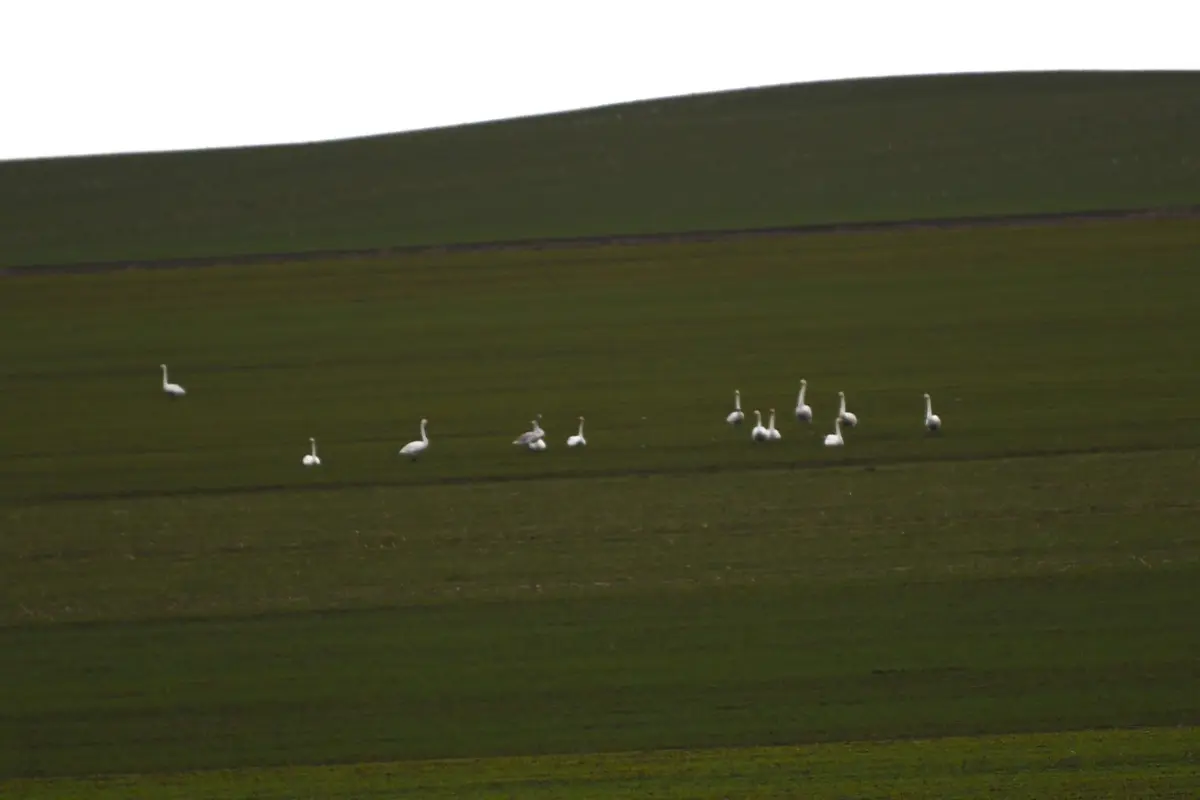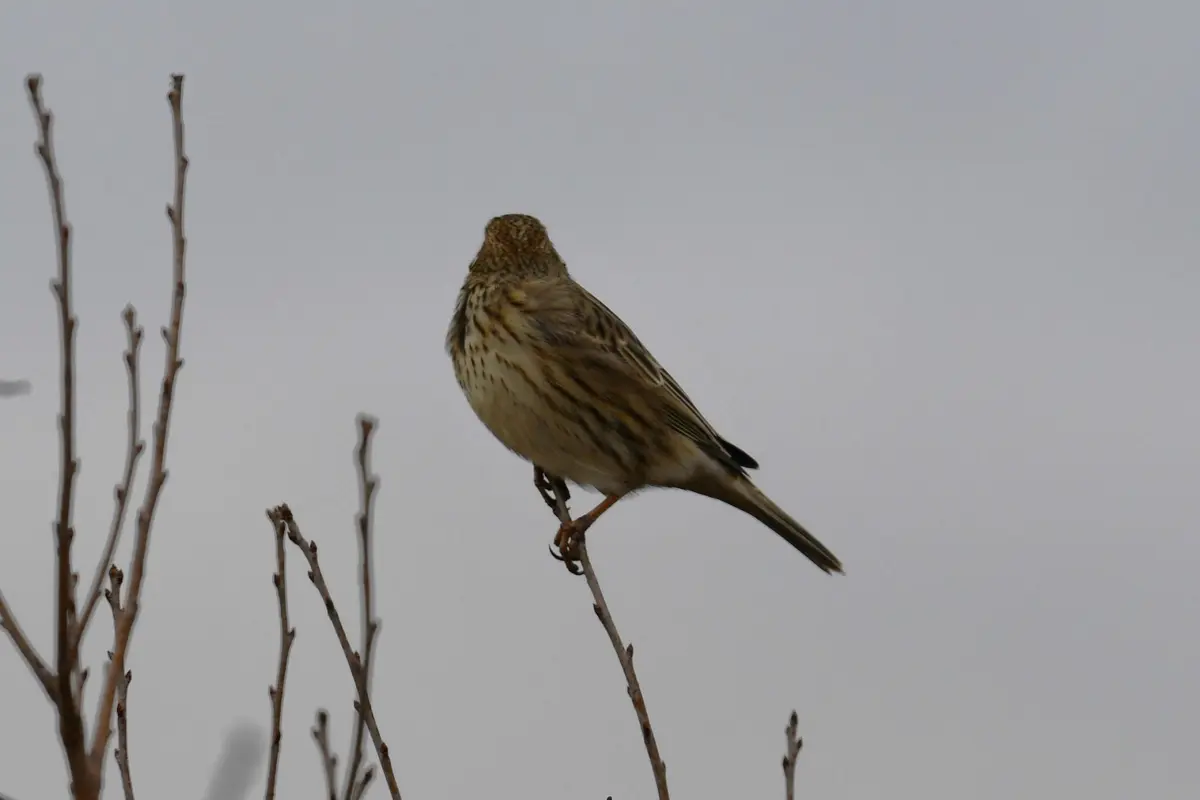
Christmas holidays are favourite period for all that we usually associate with cozy family reunion, rest and tasty food. But for our team it is a period when intensive migration is under way for birds arriving from the north to winter in our country. With climate change getting more obvious tracking migrating process is getting more complicated due to change of periods when birds undertake their movements that further vary interannually. That requires our team to be vigilant even during the holidays. Though, that is not necessary a negative thing as spending the holidays in the wild studying and protecting the wildlife is arguably amongst the most exciting ways to celebrate this magical holiday – Christmas.
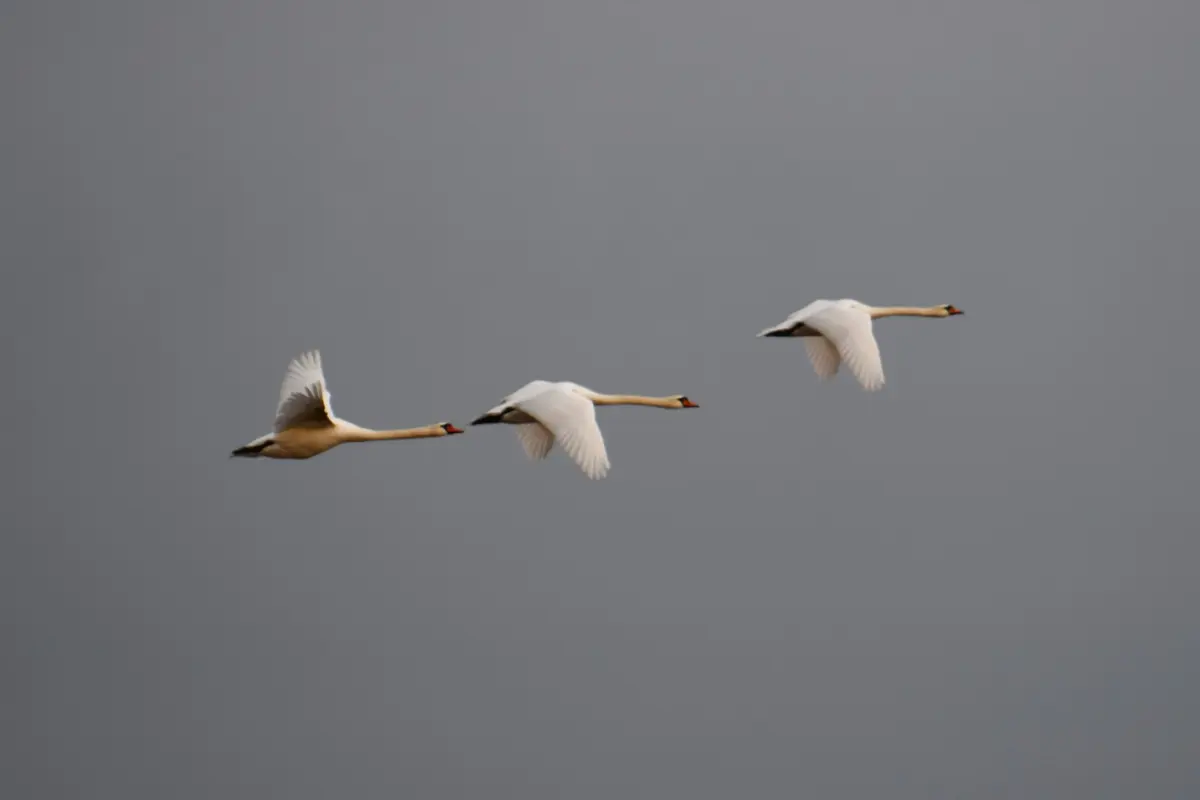
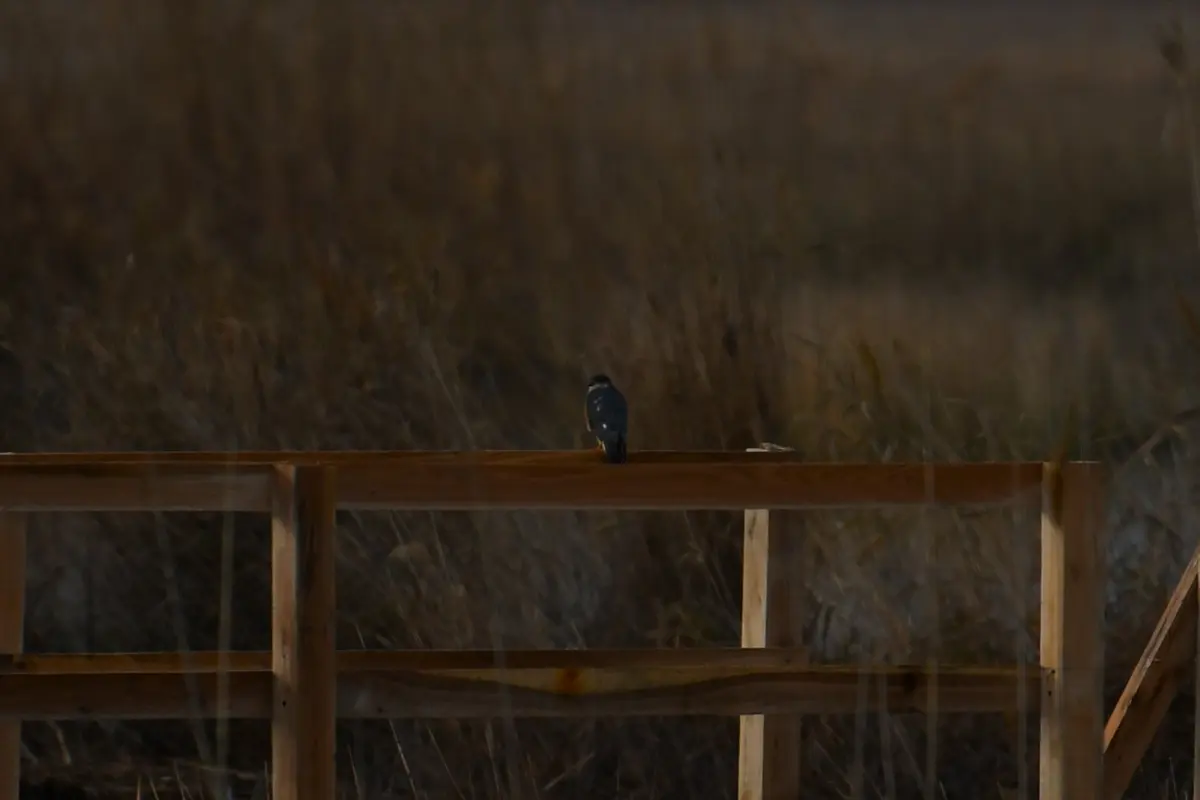
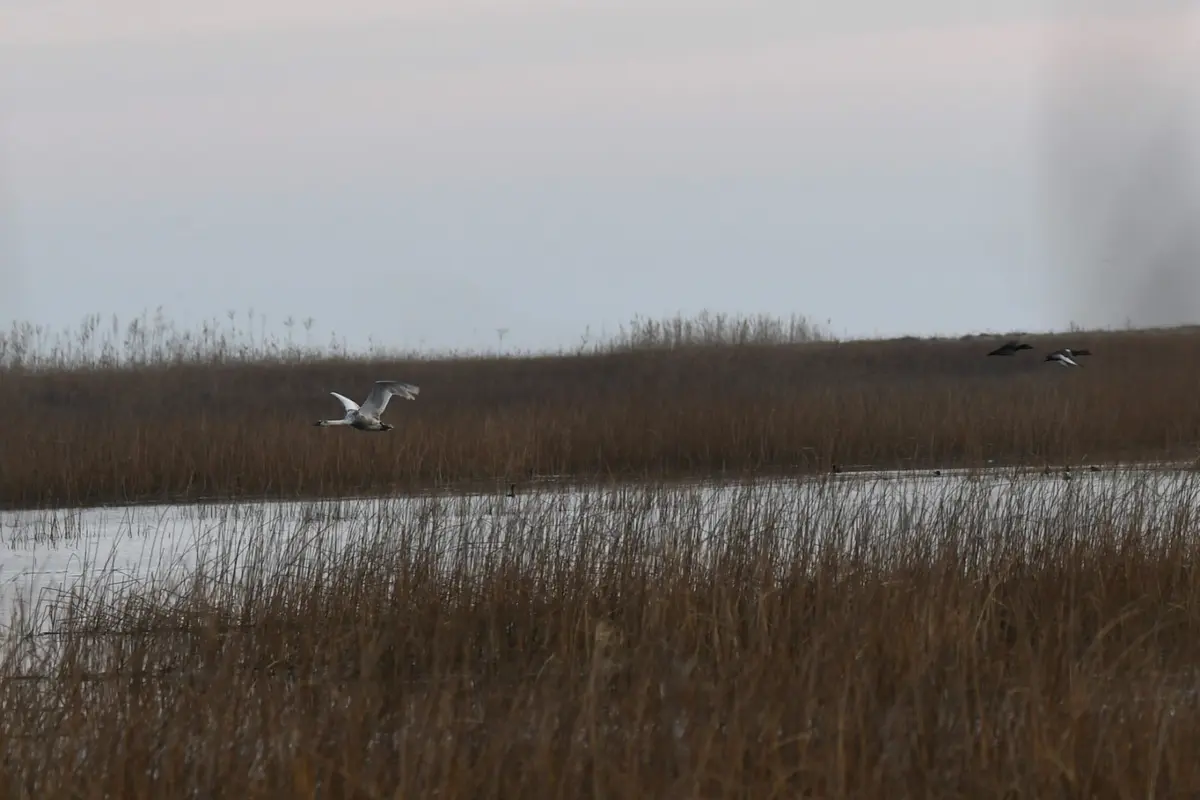
Just before Christmas Eve our experts have visited some the most important coastal wetlands – Atanasovsko Lake near Burgas and the lakes in Dobrogea – Durankulak, Shabla-Ezerets and Shablenska tuzla. This is part of Green Balkans’ program for conservation of globally threatened Red-breasted goose that is focusing on water birds, too.
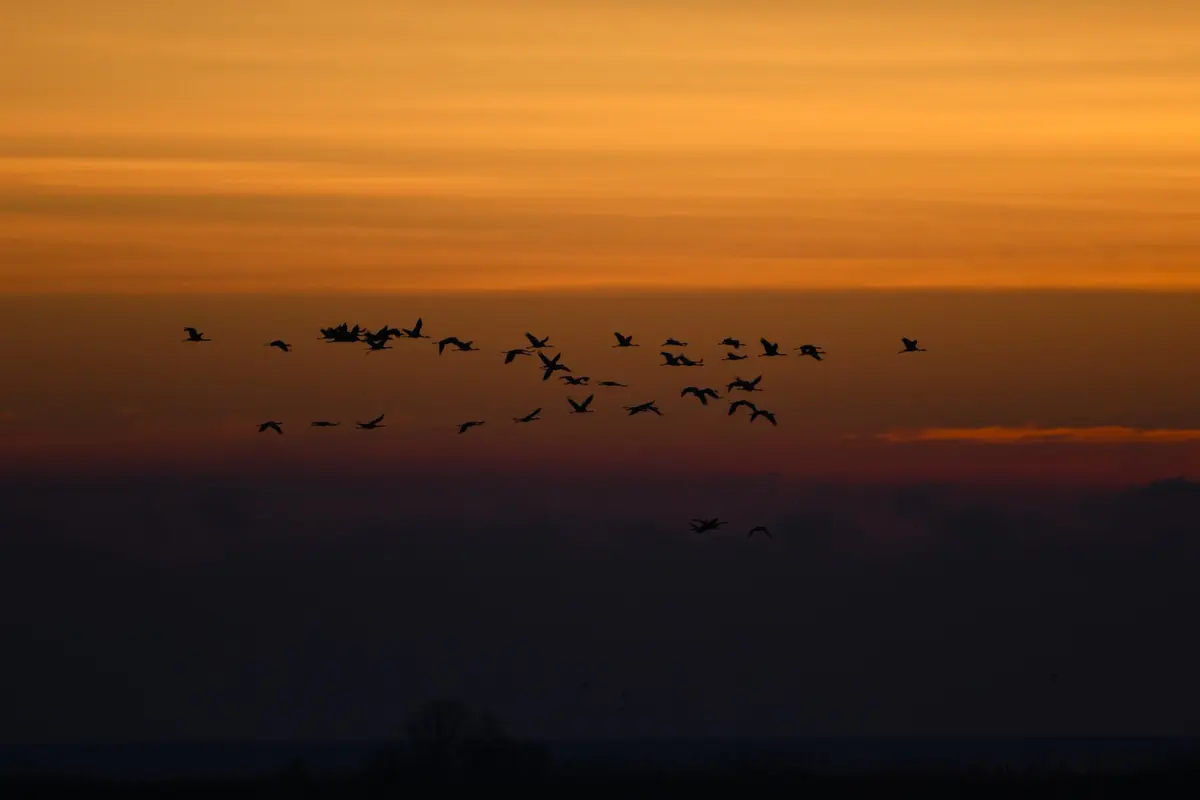
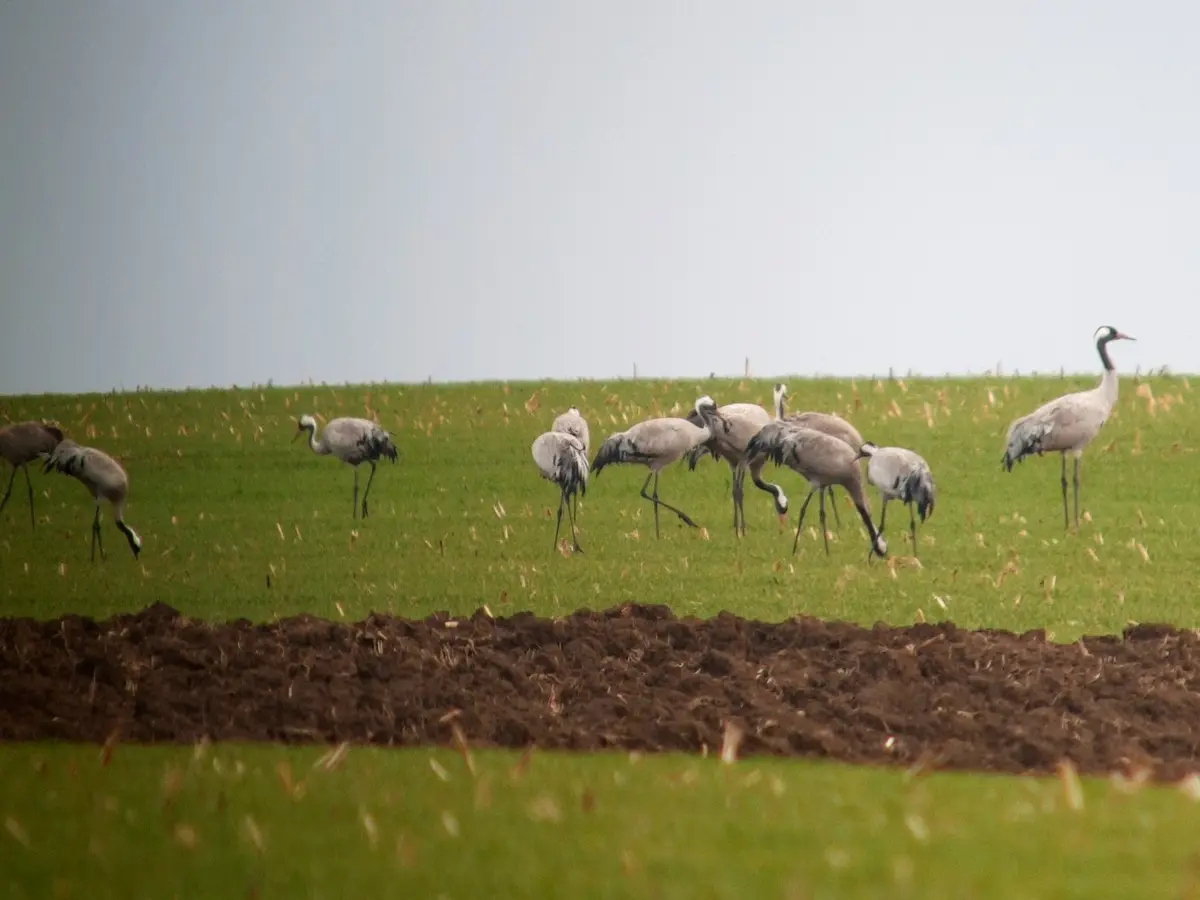
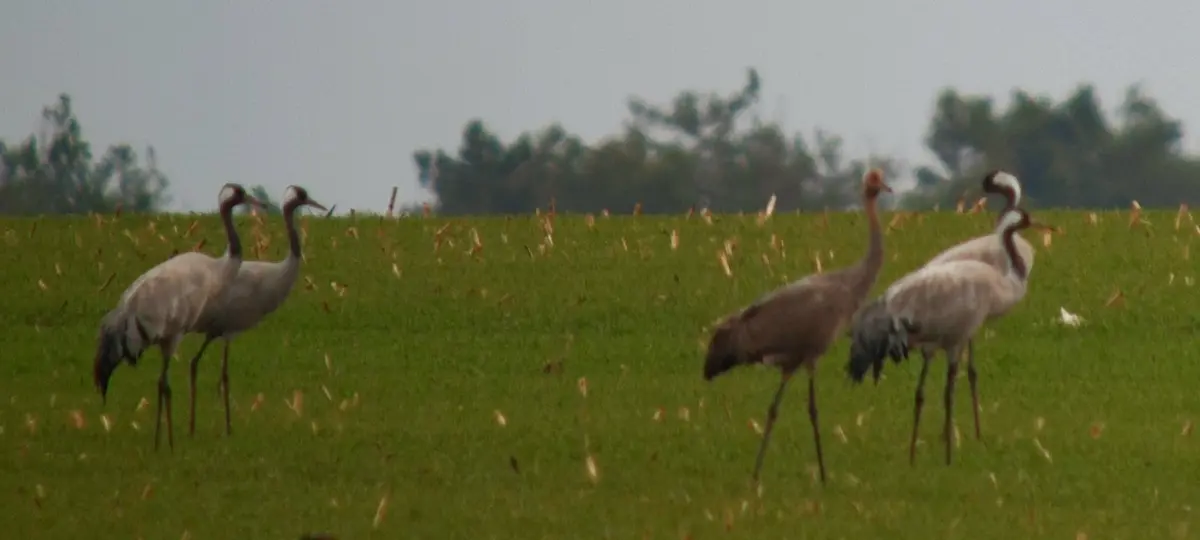
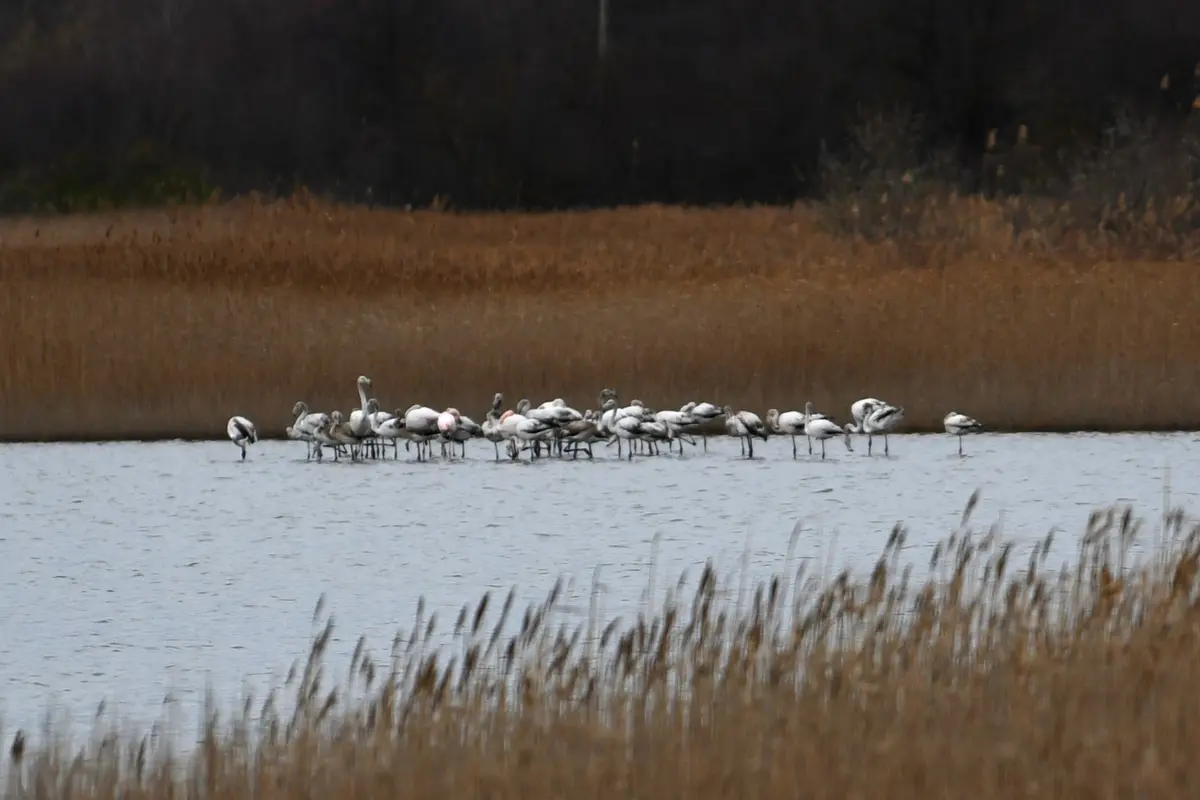
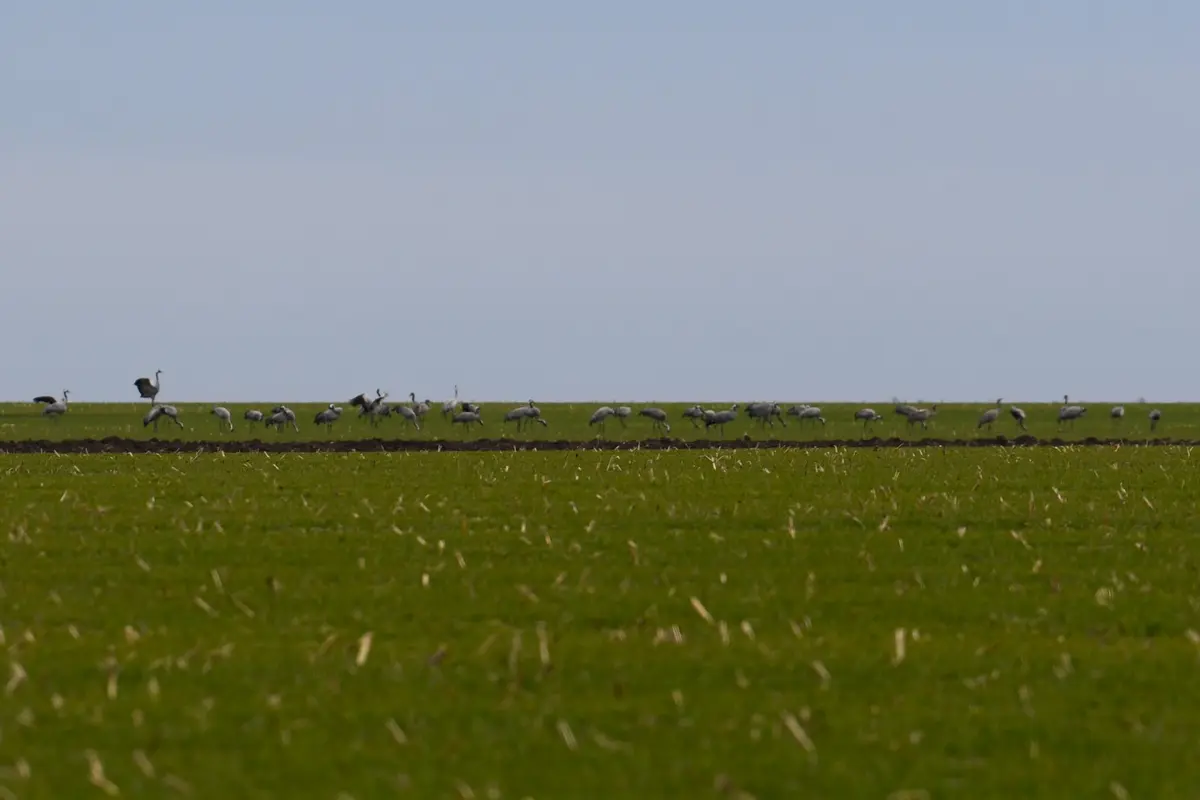
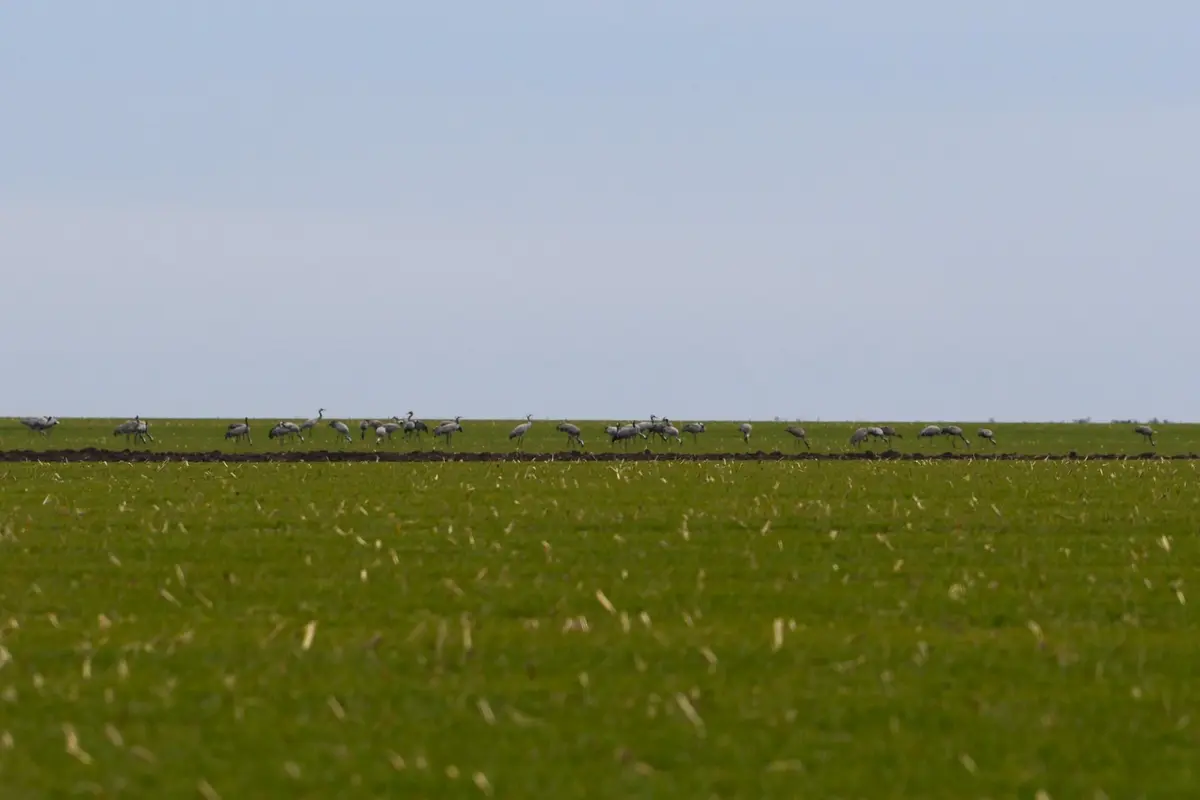
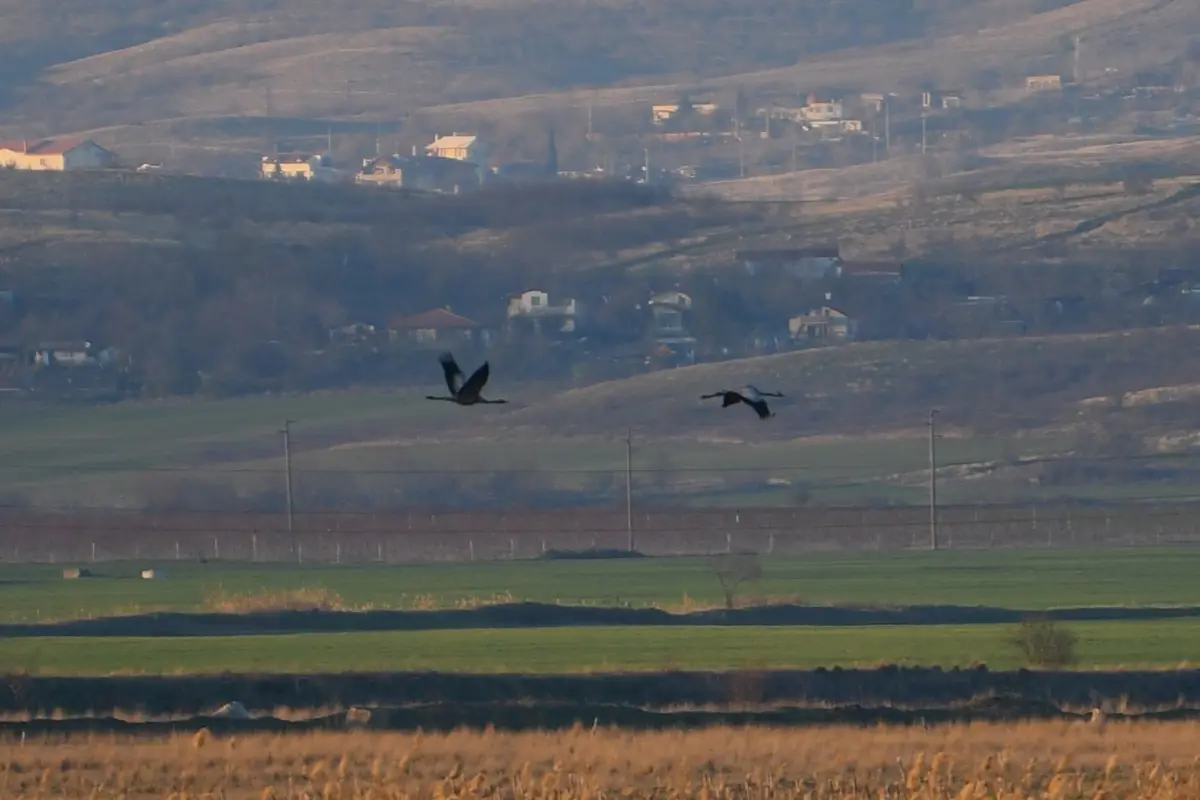
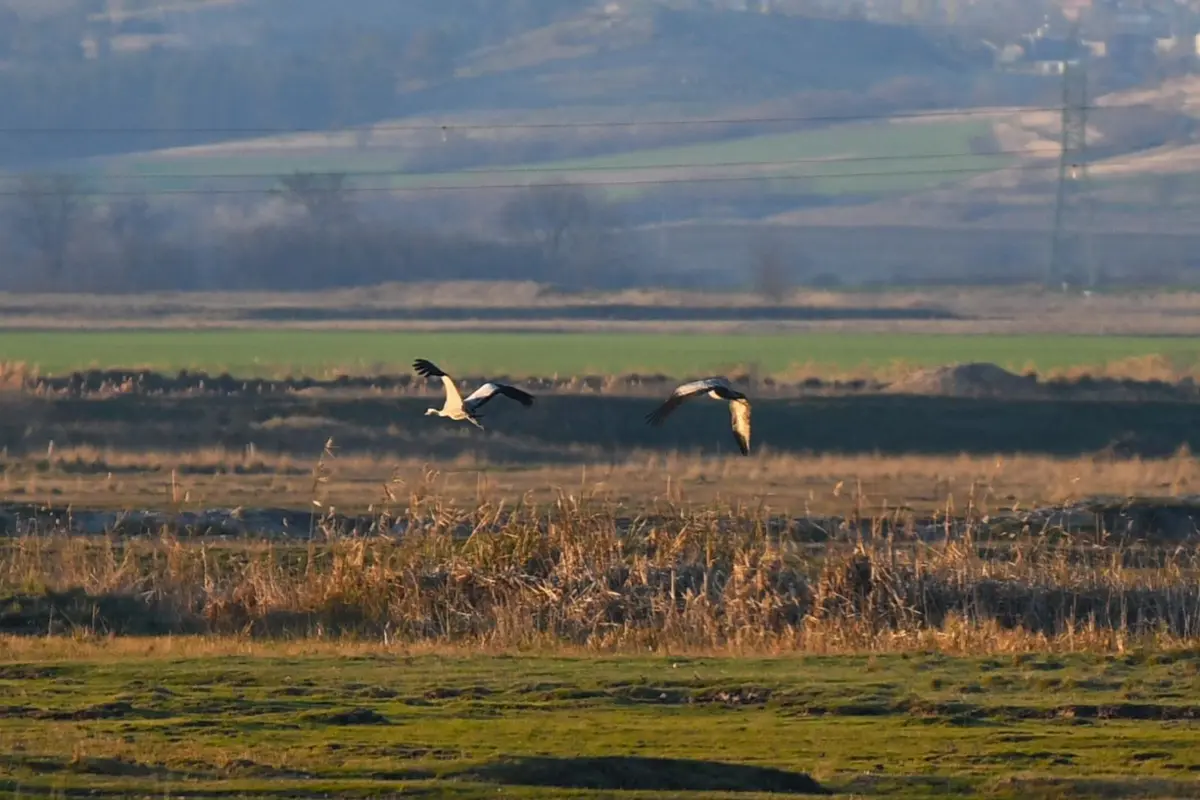
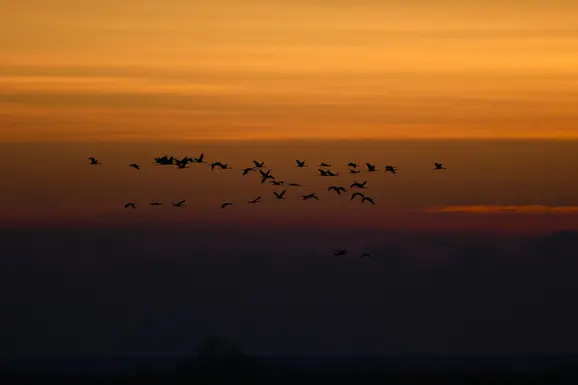
And of course, nothing compares to a flock of Common cranes (Grus grus), taking off from Lake Durankulak at first light in their characteristic v-shaped formation, ringing the sunrise with their beautiful piercing songs. The flock of 42 birds, 6 of them young, was later seen feeding in fields near Krapets. This naturally alerts us once again how important it is to protect these habitats and watch for impacts that could harm the birds, such as poaching, from which they suffer greatly. Two days earlier, we observed two cranes (a young and an adult) near Burgas - in Atanasovsko Lake. The flamingo has become traditional for Shablenska Tuzla in recent years. The flock has grown to 42 birds and were again recorded in the wetland. According to the rings, which are read periodically, it turns out that these are mostly birds from Ukraine’s "Tuzlovsky limani" NP which come to Bulgaria during the winter months. Among the other more interesting sightings are Red-throated diver, Red-crested Pochard, Ferruginous Duck, Smew, Slavonian Grebe and others.
Of the geese, 280 Greater white-fronted geese were recorded in Atanasovsko Lake near Burgas and three Greylag geese in Durankulak Lake, which was not unexpected against the background of relatively warm weather, but once again shows us that climate change affects wildlife and changes the behavior of species. And the rate at which these changes are occurring is exceeding the ability of species to adapt. This poses huge risks to ecosystems as a whole and requires our full attention and care to prevent damage that may otherwise be irreversible.
Our team continues to monitor the state of habitats and wintering birds in the Burgas Lakes and Coastal Dobrogea region so keep an eye for further updates. We wish you happy holidays, an unforgettable welcome to the New Year 2024, and don't forget to be responsible for the environment even while celebrating!
Contacts:
Dimitar Popov – dpopov@greenbalkans.org
Galina Meshkova – gmeschkova@greenbalkans.org
Just before Christmas Eve our experts have visited some the most important coastal wetlands – Atanasovsko Lake near Burgas and the lakes in Dobrogea – Durankulak, Shabla-Ezerets and Shablenska tuzla. This is part of Green Balkans’ program for conservation of globally threatened Red-breasted goose that is focusing on water birds, too.
And of course, nothing compares to a flock of Common cranes (Grus grus), taking off from Lake Durankulak at first light in their characteristic v-shaped formation, ringing the sunrise with their beautiful piercing songs. The flock of 42 birds, 6 of them young, was later seen feeding in fields near Krapets. This naturally alerts us once again how important it is to protect these habitats and watch for impacts that could harm the birds, such as poaching, from which they suffer greatly. Two days earlier, we observed two cranes (a young and an adult) near Burgas - in Atanasovsko Lake. The flamingo has become traditional for Shablenska Tuzla in recent years. The flock has grown to 42 birds and were again recorded in the wetland. According to the rings, which are read periodically, it turns out that these are mostly birds from Ukraine’s "Tuzlovsky limani" NP which come to Bulgaria during the winter months. Among the other more interesting sightings are Red-throated diver, Red-crested Pochard, Ferruginous Duck, Smew, Slavonian Grebe and others.
Of the geese, 280 Greater white-fronted geese were recorded in Atanasovsko Lake near Burgas and three Greylag geese in Durankulak Lake, which was not unexpected against the background of relatively warm weather, but once again shows us that climate change affects wildlife and changes the behavior of species. And the rate at which these changes are occurring is exceeding the ability of species to adapt. This poses huge risks to ecosystems as a whole and requires our full attention and care to prevent damage that may otherwise be irreversible.
Our team continues to monitor the state of habitats and wintering birds in the Burgas Lakes and Coastal Dobrogea region so keep an eye for further updates. We wish you happy holidays, an unforgettable welcome to the New Year 2024, and don't forget to be responsible for the environment even while celebrating!
Contacts:
Dimitar Popov – dpopov@greenbalkans.org
Galina Meshkova – gmeschkova@greenbalkans.org
.JPG)