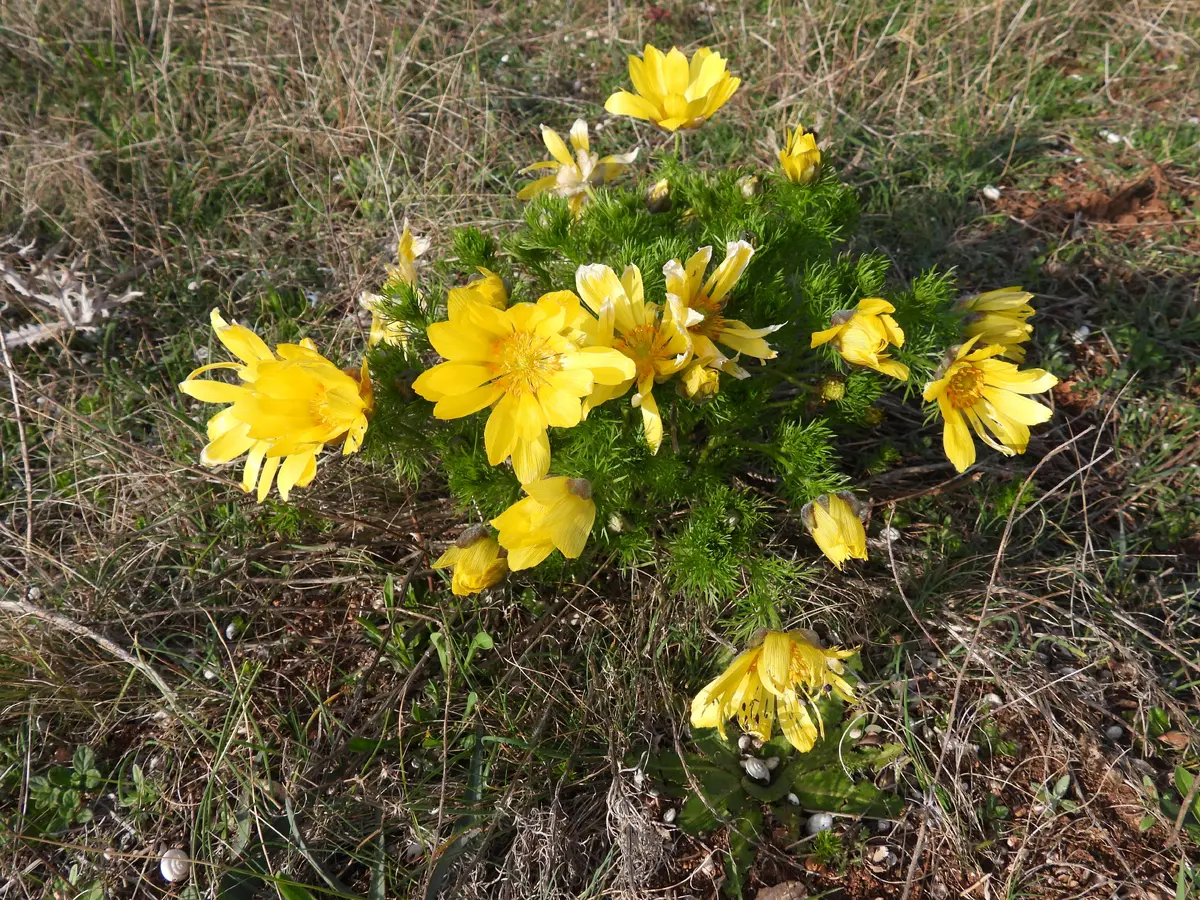
Yes, spring is already felt everywhere. Climate change has reduced our winter to a few weeks in recent years, plus some surprising reminders in March. But the winter habitats of the geese have not lost their importance and, although with decreasing numbers, wintering birds continue to visit Coastal Dobrogea every year.
In fact, the conservation of these habitats faces even more challenges and requires more effort during these periods of climate warming. It is critically important not to allow them to be neglected and destroyed, which is unfortunately quite likely given the changed environment. But we should not forget that we have no power over nature and the processes taking place in it. The cyclical nature of climate change can bring back both winter and thousands of wintering geese as suddenly as it drove them away - without warning. That is why our team works tirelessly to promote the importance of these habitats.
Over the past few days, experts from Green Balkans visited the region of Coastal Dobrogea to conduct monitoring of the wetlands in the area of Durankulak and Shabla Lake, and Shabla Tuzla. With the arrival of the spring we enter the height of the bird migration process and thousands of them stop at these places to rest and forage before continuing north to the places where they will nest and raise their offspring.
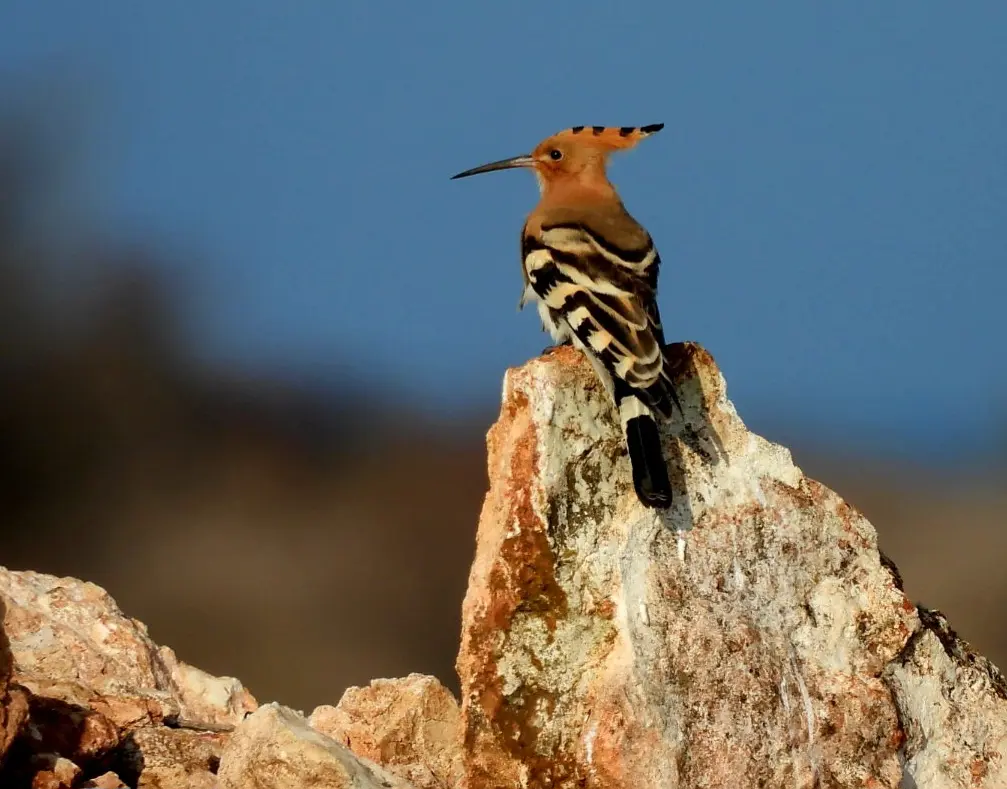
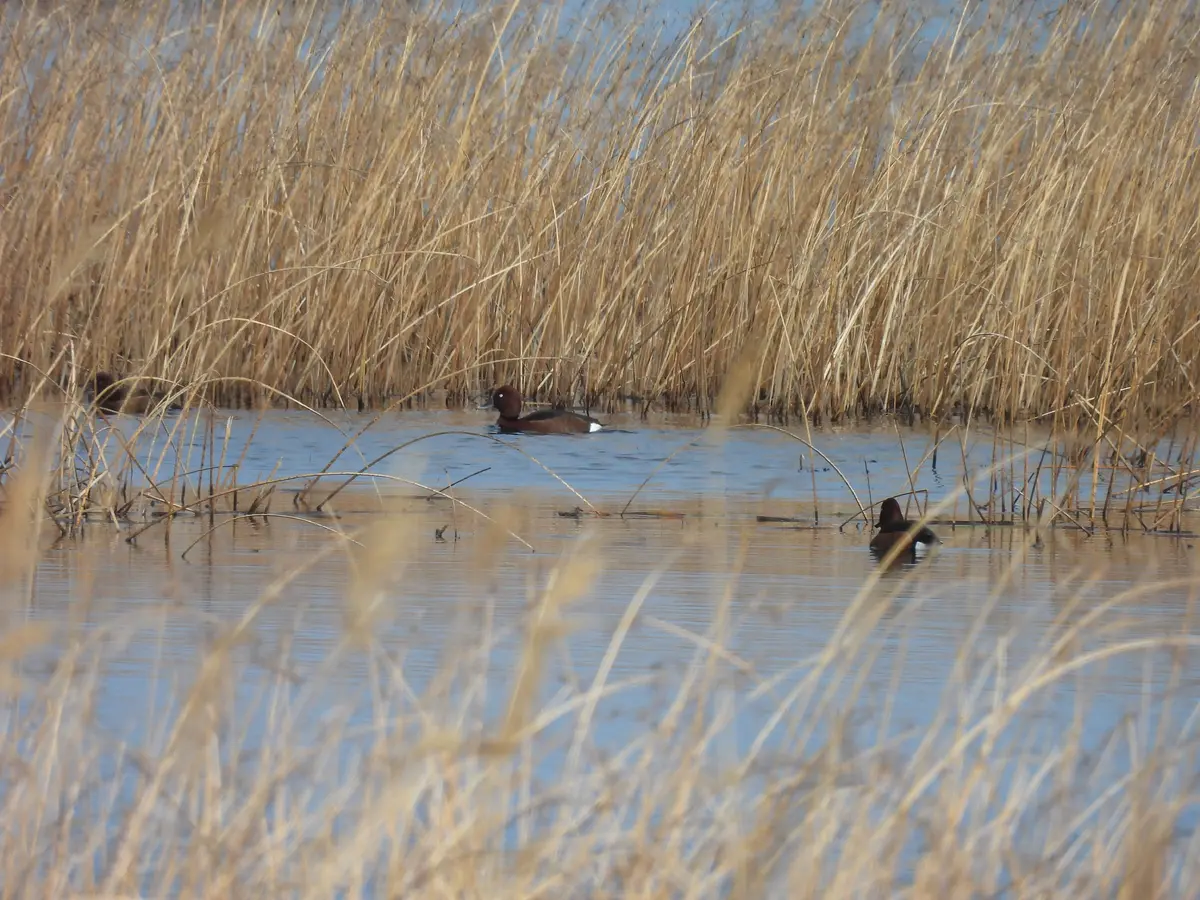
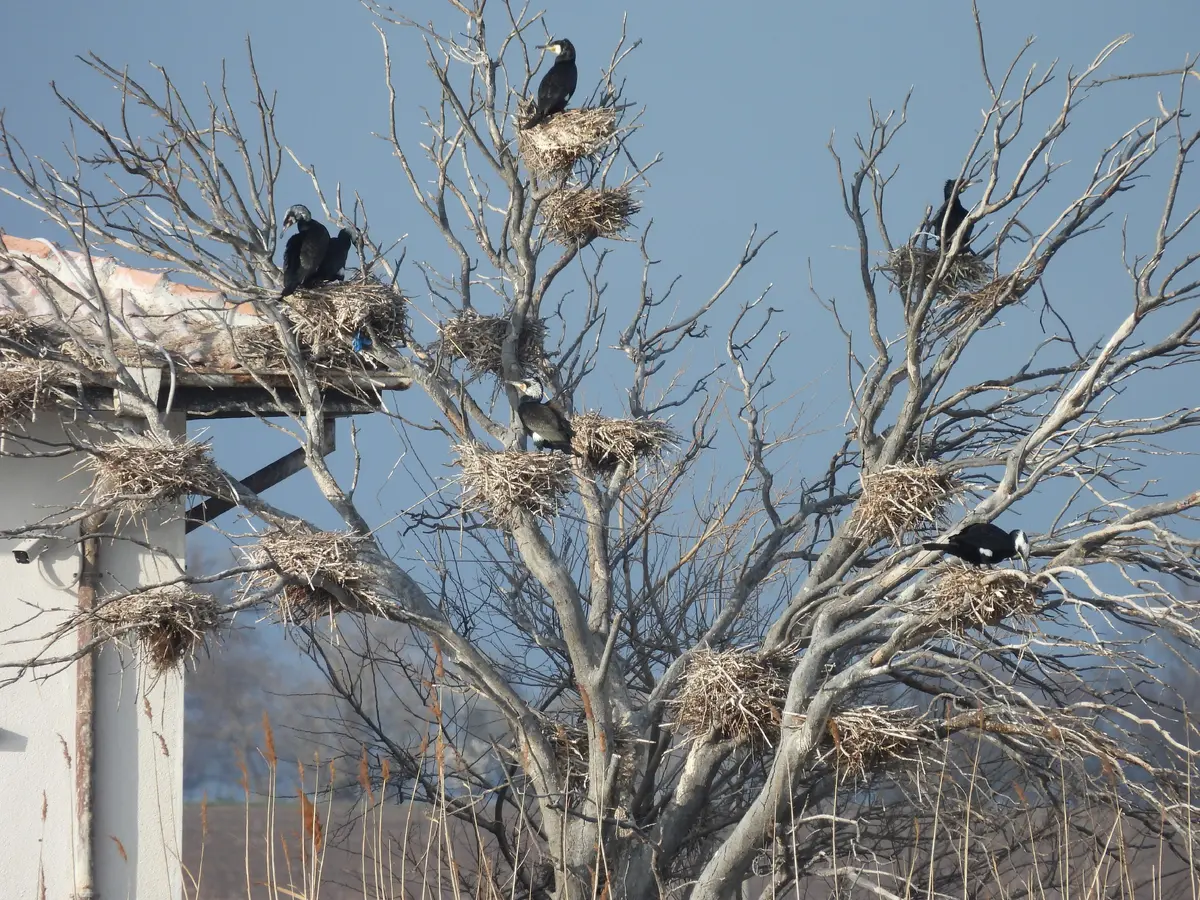
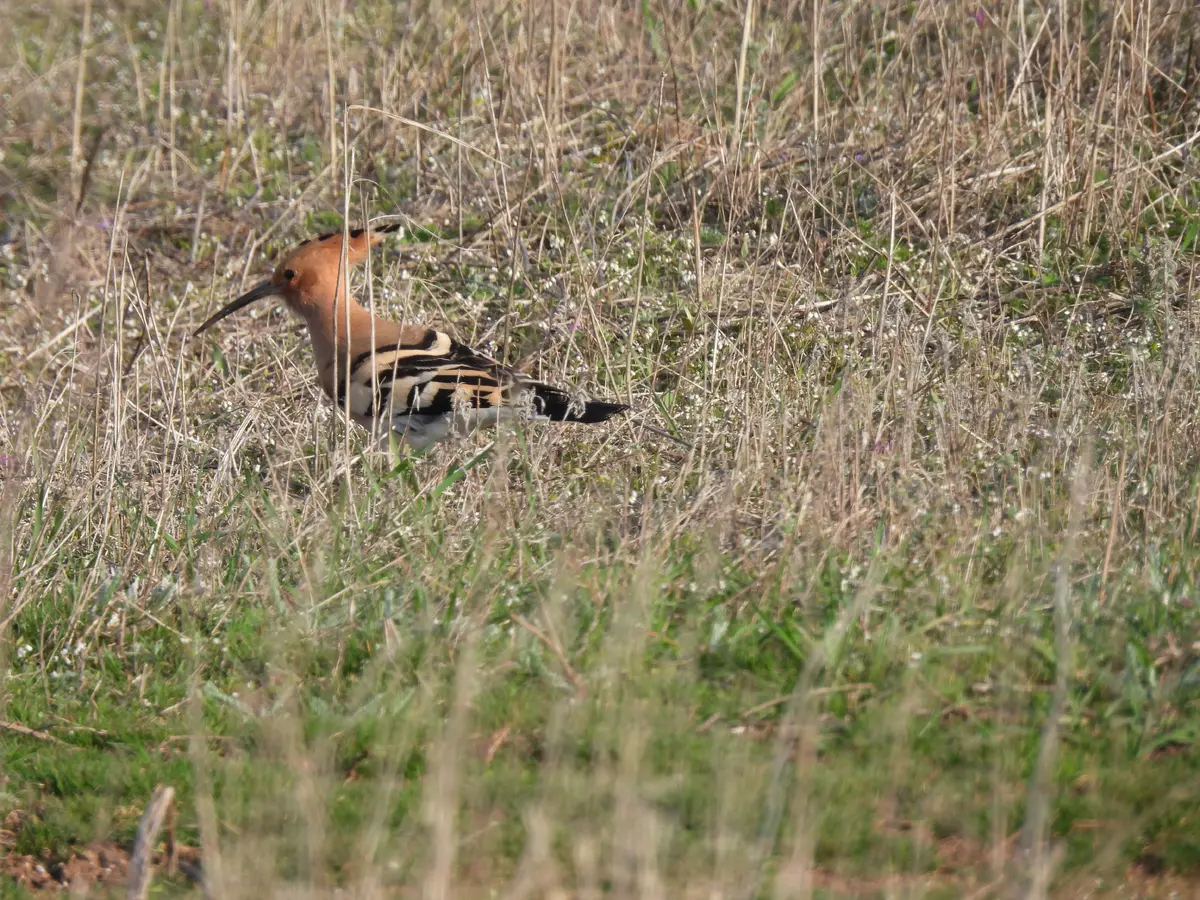
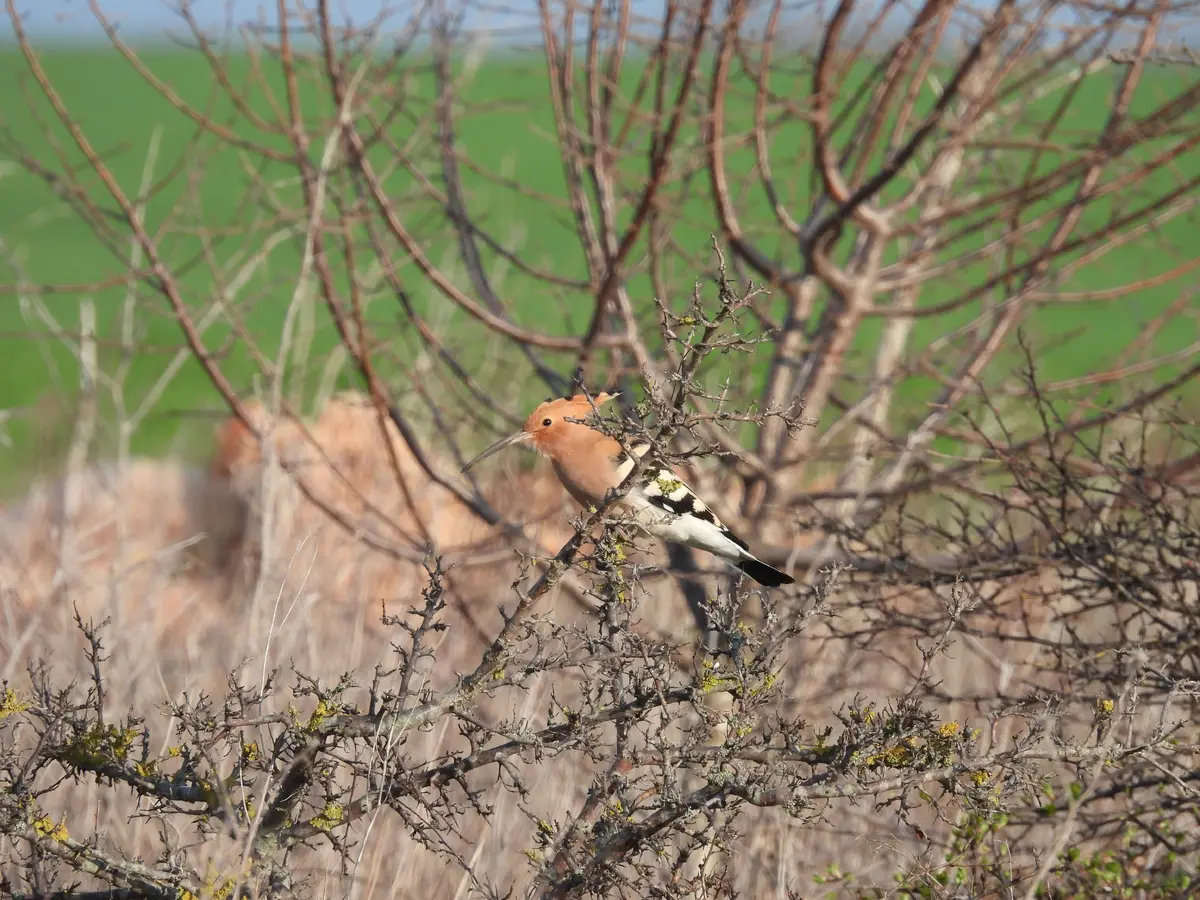
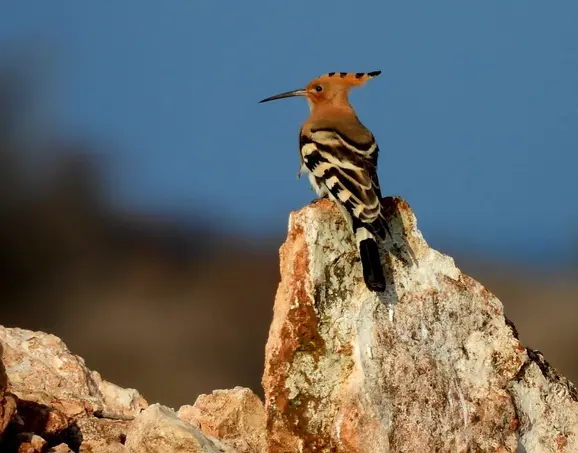
Among the registered harbingers of spring, we can mention species such as Upupa epops, Saxicola rubetra, pairs of Aythya nyroca, numerous warblers, buntings and other songbird species that are already marking and occupying their nesting sites. The sighting of the pair of White-tail eagles nesting in the Durankulak Lake area, which already has at least one hatchling that we were able to observe, caused great excitement. Also, the great cormorant colony that was barbarically destroyed a few years ago has fortunately found a new home in the lake area and the birds have now taken up their nests there.
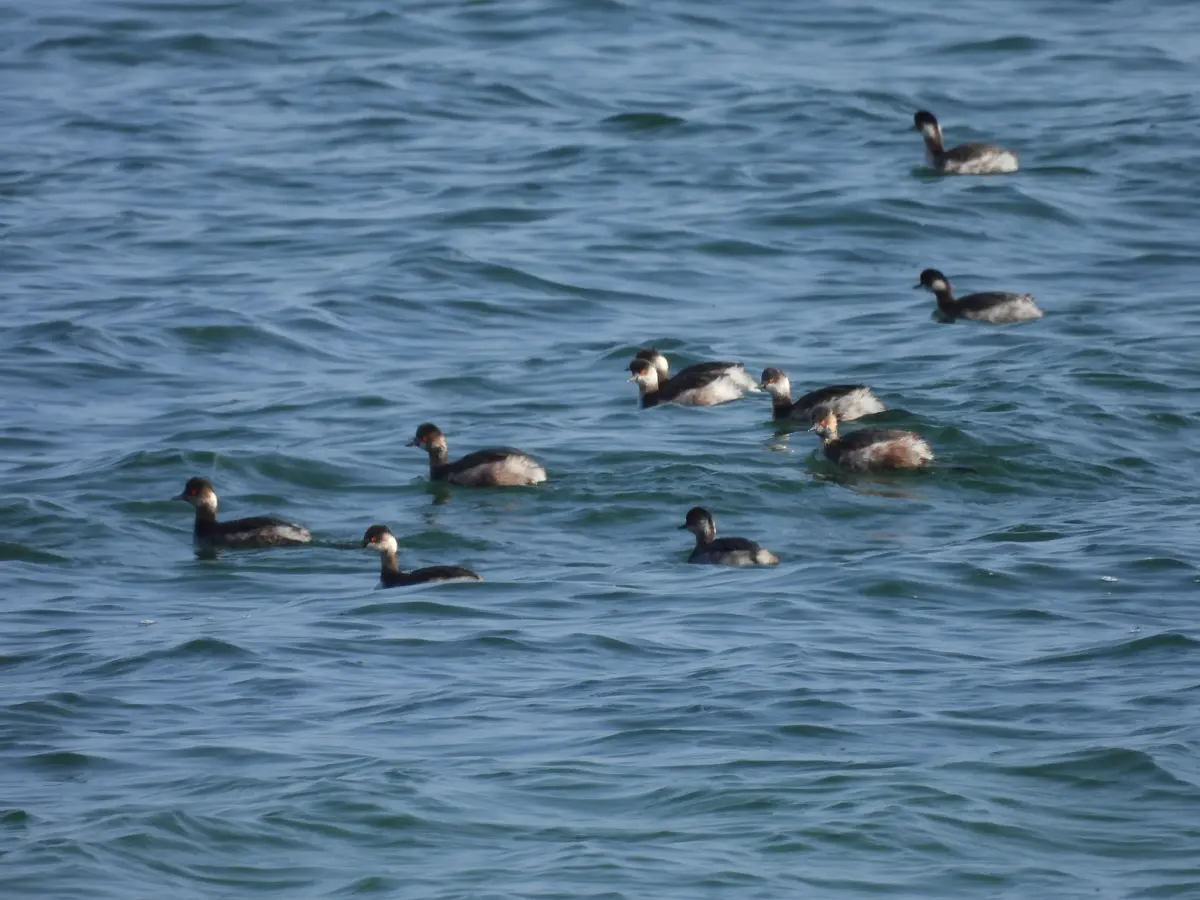
A sure sign of the coming winter period is the decreasing number of the typical winter representatives of the birds - ducks, mallards, coots, etc. However, we managed to register Netta rufina, Aythya fuligula, Mergus serrator, etc.
Our team continues to study and protect these important habitats for wintering geese and in particular the endangered Red-breasted goose (Branta ruficollis) as well as other bird species and monitor the processes that occur as a result of climate change and how they affect the ecosystem.
In fact, the conservation of these habitats faces even more challenges and requires more effort during these periods of climate warming. It is critically important not to allow them to be neglected and destroyed, which is unfortunately quite likely given the changed environment. But we should not forget that we have no power over nature and the processes taking place in it. The cyclical nature of climate change can bring back both winter and thousands of wintering geese as suddenly as it drove them away - without warning. That is why our team works tirelessly to promote the importance of these habitats.
Over the past few days, experts from Green Balkans visited the region of Coastal Dobrogea to conduct monitoring of the wetlands in the area of Durankulak and Shabla Lake, and Shabla Tuzla. With the arrival of the spring we enter the height of the bird migration process and thousands of them stop at these places to rest and forage before continuing north to the places where they will nest and raise their offspring.
Among the registered harbingers of spring, we can mention species such as Upupa epops, Saxicola rubetra, pairs of Aythya nyroca, numerous warblers, buntings and other songbird species that are already marking and occupying their nesting sites. The sighting of the pair of White-tail eagles nesting in the Durankulak Lake area, which already has at least one hatchling that we were able to observe, caused great excitement. Also, the great cormorant colony that was barbarically destroyed a few years ago has fortunately found a new home in the lake area and the birds have now taken up their nests there.
A sure sign of the coming winter period is the decreasing number of the typical winter representatives of the birds - ducks, mallards, coots, etc. However, we managed to register Netta rufina, Aythya fuligula, Mergus serrator, etc.
Our team continues to study and protect these important habitats for wintering geese and in particular the endangered Red-breasted goose (Branta ruficollis) as well as other bird species and monitor the processes that occur as a result of climate change and how they affect the ecosystem.
.JPG)