The organizers of the event were the Regional Inspectorate for Environment and Water in Plovdiv, the Department of Ecology and Environmental Protection of Plovdiv University "Paisiy Hilendarskii", the Faculty of Plant Protection and Agroecology of the Agricultural University - Plovdiv, and also our team from Green Balkans and our colleagues from the Bulgarian Society for the Protection of Birds.
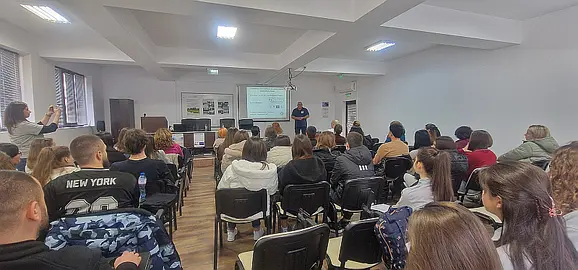
The meeting was hosted by the Paisii Hilendarski University of Plovdiv, and the main topics we covered were the importance of wetlands as habitats for wildlife and their role in mitigating floods, droughts and pollution, threats and challenges faced by wetlands in the modern world, measures and strategies for the protection and restoration of these ecosystems, innovative approaches and good practices applied in environmental management.
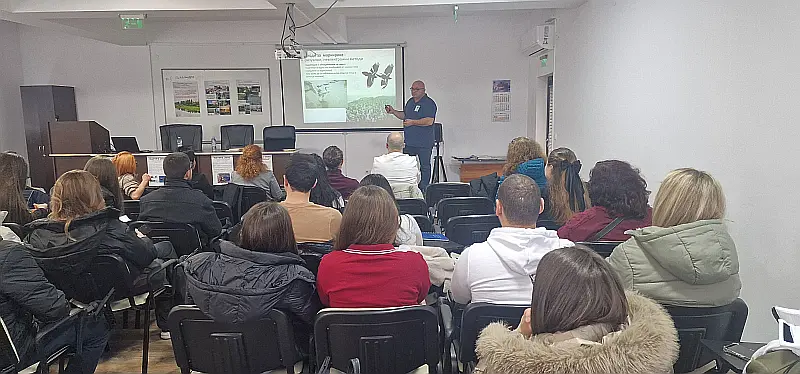
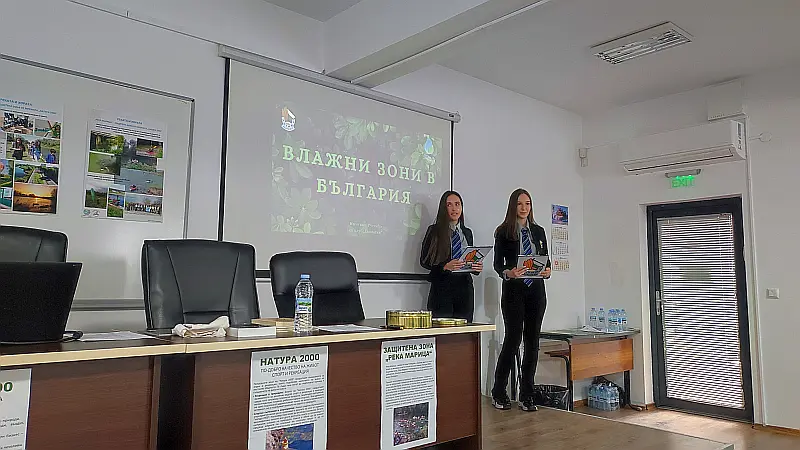
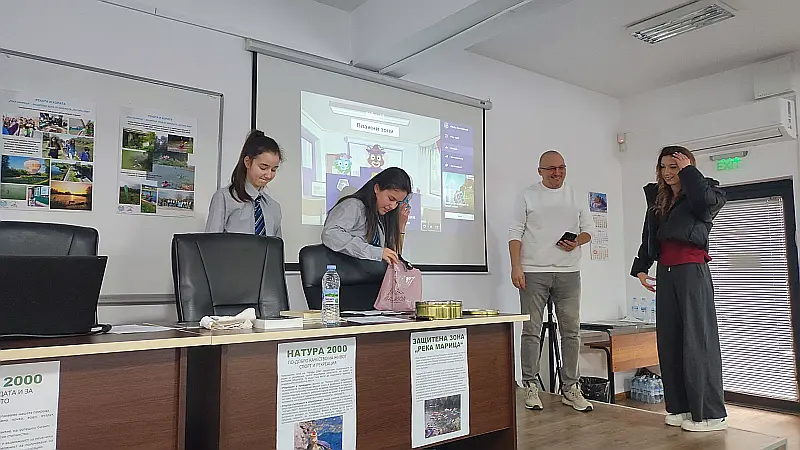
During the seminar, lectures were given that told about interesting scientific research, successful practices and achievements in the field of wetland protection in our country. Some of the presenters were students from both universities, as well as students from the Ecology Club at High School "Antim I", Zlatograd!
The Green Balkans team introduced the gathered audience to the techniques, methods and results of satellite tracking of Red-breasted geese, as part of our activities for the conservation of the species. As a parallel, we also shared our experience in tracking other bird species, such as the Lesser kestrel, for example, and about the interesting moments in working with students in the "Nature Academy" initiative of the Green Balkans project "Life for the White-knife" LIFE19 NAT/BG/001017, funded by the EU LIFE program.
Wetlands play a critical role in providing habitat for wildlife and protecting us from flooding, drought and pollution. Despite their importance, they face serious threats that we can only prevent through collective efforts.
On February 2, 1971, the Ramsar Convention on the Conservation of Wetlands of International Importance, Especially as Waterfowl Habitat, was signed. The Convention covers all aspects of wetland conservation and sustainable use. It combines the conservation of the exceptionally rich biodiversity of wetlands with the use of ecosystems as a major source of resources for local people. The Convention entered into force in 1975, and today it has 172 member states, with Bulgaria being the eighth country to join, back in 1976.
.JPG)
The meeting was hosted by the Paisii Hilendarski University of Plovdiv, and the main topics we covered were the importance of wetlands as habitats for wildlife and their role in mitigating floods, droughts and pollution, threats and challenges faced by wetlands in the modern world, measures and strategies for the protection and restoration of these ecosystems, innovative approaches and good practices applied in environmental management.
During the seminar, lectures were given that told about interesting scientific research, successful practices and achievements in the field of wetland protection in our country. Some of the presenters were students from both universities, as well as students from the Ecology Club at High School "Antim I", Zlatograd!
The Green Balkans team introduced the gathered audience to the techniques, methods and results of satellite tracking of Red-breasted geese, as part of our activities for the conservation of the species. As a parallel, we also shared our experience in tracking other bird species, such as the Lesser kestrel, for example, and about the interesting moments in working with students in the "Nature Academy" initiative of the Green Balkans project "Life for the White-knife" LIFE19 NAT/BG/001017, funded by the EU LIFE program.
Wetlands play a critical role in providing habitat for wildlife and protecting us from flooding, drought and pollution. Despite their importance, they face serious threats that we can only prevent through collective efforts.
On February 2, 1971, the Ramsar Convention on the Conservation of Wetlands of International Importance, Especially as Waterfowl Habitat, was signed. The Convention covers all aspects of wetland conservation and sustainable use. It combines the conservation of the exceptionally rich biodiversity of wetlands with the use of ecosystems as a major source of resources for local people. The Convention entered into force in 1975, and today it has 172 member states, with Bulgaria being the eighth country to join, back in 1976.