Whooper swans, Tundra swans and other waterfowl – the season of wintering birds in Coastal Dobrogea has begun. For another year, this is happening in the absence of snow and a real winter environment. However, instinct continues to lead thousands of birds to the lakes of Coastal Dobrogea, seeking refuge and food. Having flown huge distances from their native places, where the winter is harsh enough, they have arrived here in the hope of surviving until next spring, when they will return home again.
As a civil organization, our mission is to carry out activities in the service of society. Therefore, for another year, our team will conduct regular monitoring of the wetlands in Coastal Dobrogea region to monitor the condition of the habitats and populations of wintering birds there. Because the health of the environment, which provides all the resources of our society, is our priority.
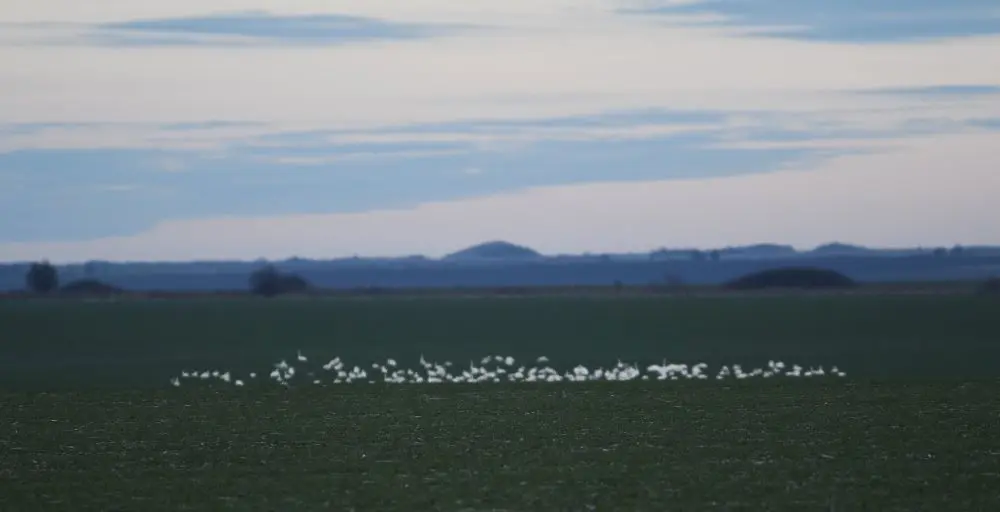
Perhaps due to the relatively mild weather conditions, or perhaps due to a combination of many other factors, no geese were observed in the area. However, there were the typical winter Whooper and Tundra swans here – birds of the goose family, which, unlike Mute swans, feed in the fields near the lakes where they spend the night. Our team managed to observe a flock of 223 Tundra and 53 Whooper swans feeding in the area of Durankulak Lake. The magnetic songs and beauty of these birds are perhaps one of the greatest treasures of Dobrogea in winter.
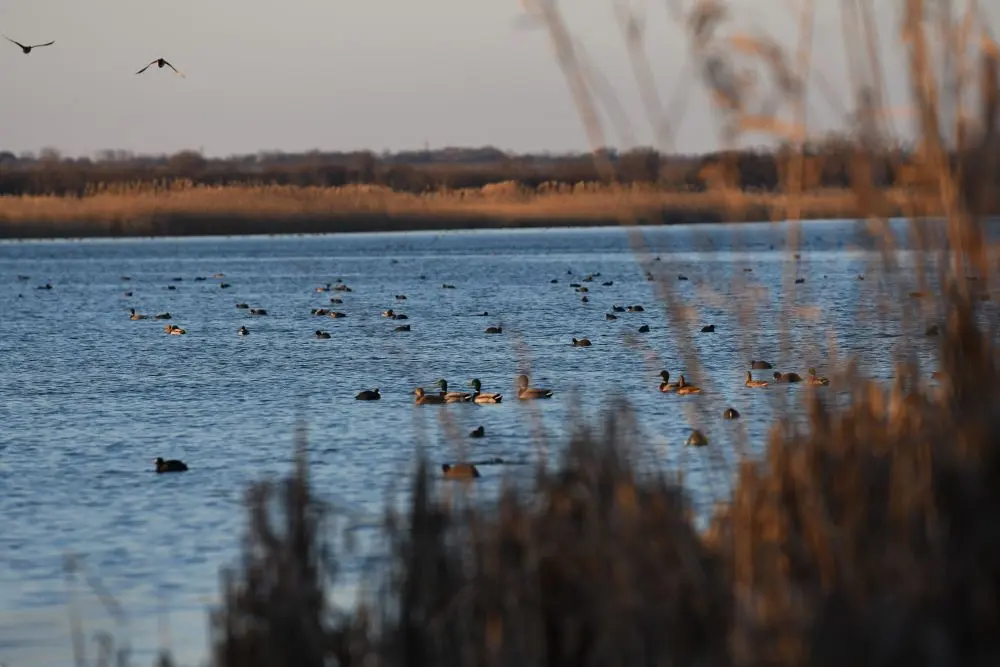
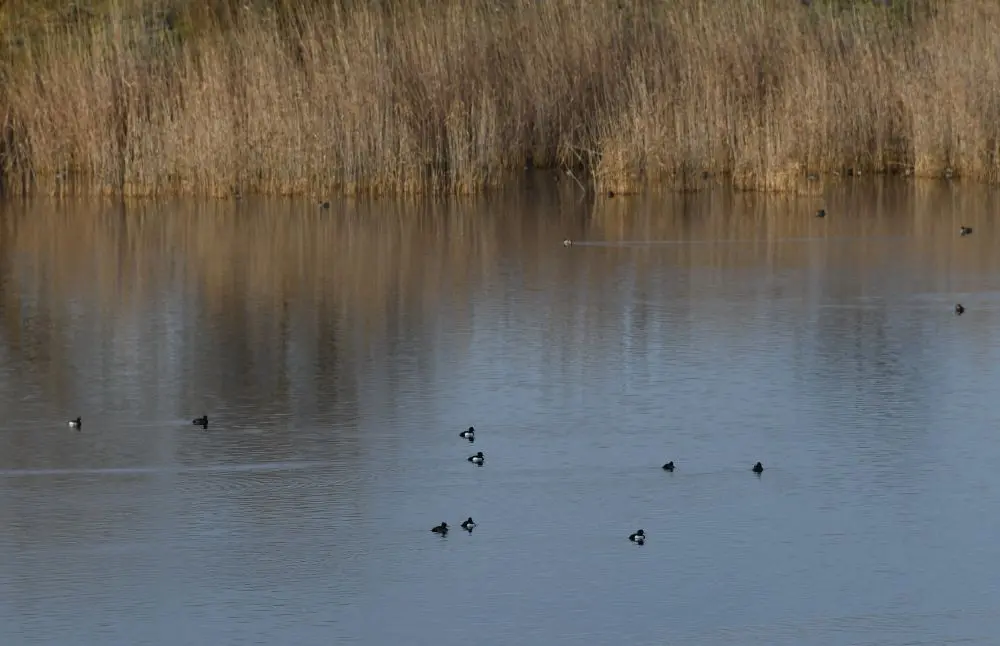
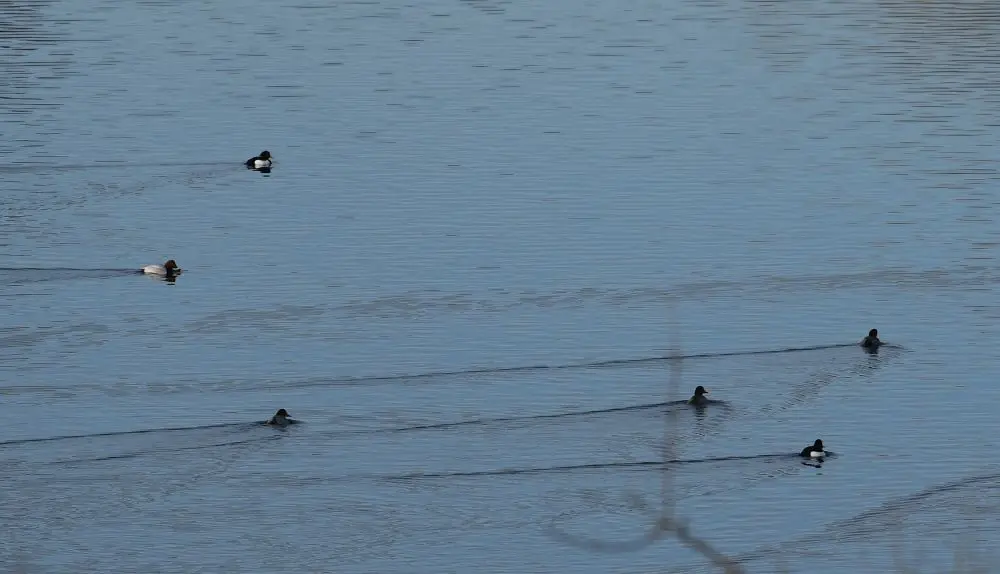
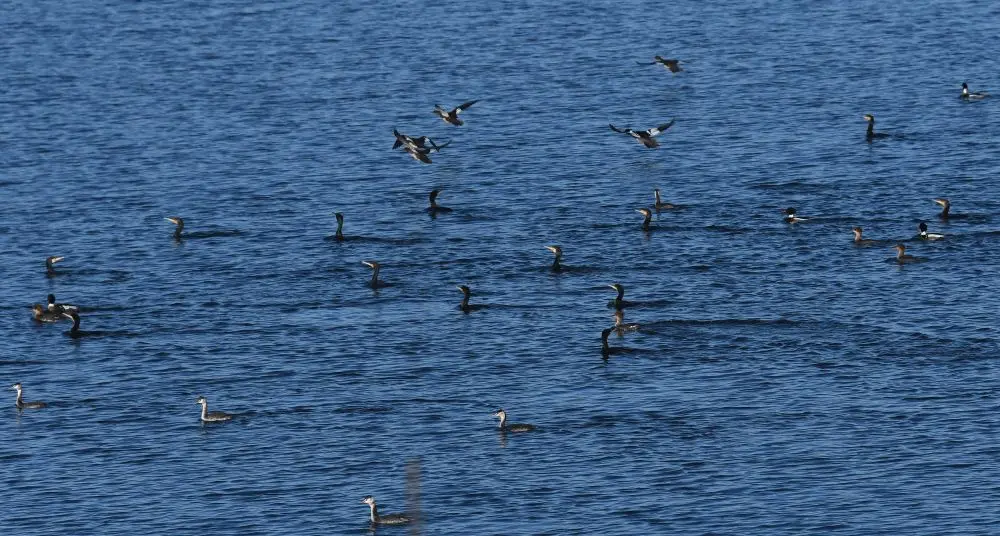
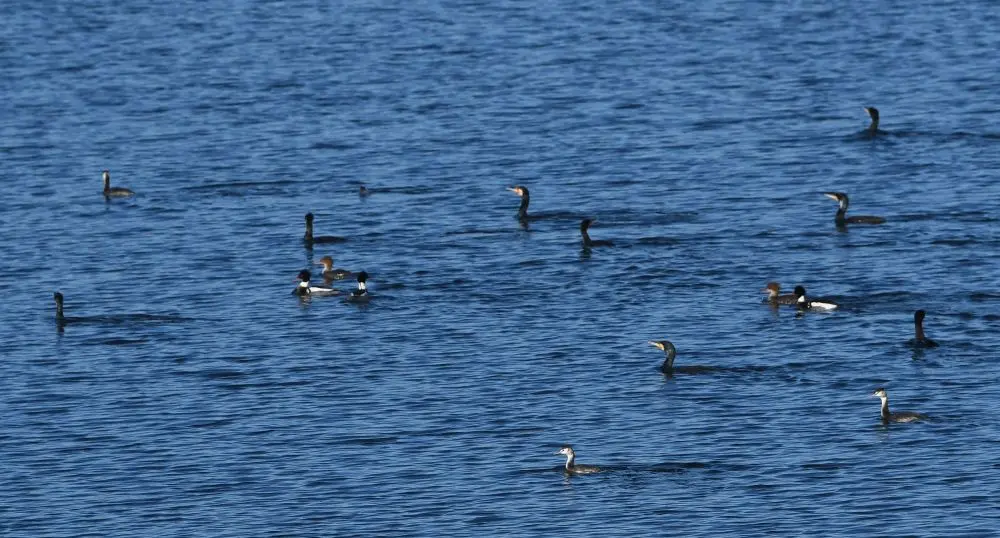
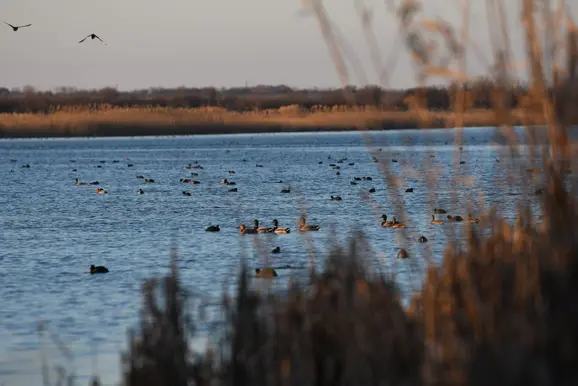
Large flocks of wintering birds were observed in both Durakulak and Shabla Lakes. In Durankulak Lake, large numbers of Tufted ducks, Pochards – globally threatened species, Red-breasted mergansers, Great crested grebes and others were recorded. In Shabla Lake, Mallards and Coots predominated. In both places, bird disturbance was observed, probably caused by hunting pressure.
Our team will continue to monitor the status of habitats and species in Coastal Dobrogea region and inform you about it. And don’t forget that wildlife is the source of all the resources needed by human societies to function fully. But to provide them, it needs all species and ecosystems functioning in balance.
For contact:
Dimitar Popov – dpopov@greenbalkans.org
As a civil organization, our mission is to carry out activities in the service of society. Therefore, for another year, our team will conduct regular monitoring of the wetlands in Coastal Dobrogea region to monitor the condition of the habitats and populations of wintering birds there. Because the health of the environment, which provides all the resources of our society, is our priority.
Perhaps due to the relatively mild weather conditions, or perhaps due to a combination of many other factors, no geese were observed in the area. However, there were the typical winter Whooper and Tundra swans here – birds of the goose family, which, unlike Mute swans, feed in the fields near the lakes where they spend the night. Our team managed to observe a flock of 223 Tundra and 53 Whooper swans feeding in the area of Durankulak Lake. The magnetic songs and beauty of these birds are perhaps one of the greatest treasures of Dobrogea in winter.
Large flocks of wintering birds were observed in both Durakulak and Shabla Lakes. In Durankulak Lake, large numbers of Tufted ducks, Pochards – globally threatened species, Red-breasted mergansers, Great crested grebes and others were recorded. In Shabla Lake, Mallards and Coots predominated. In both places, bird disturbance was observed, probably caused by hunting pressure.
Our team will continue to monitor the status of habitats and species in Coastal Dobrogea region and inform you about it. And don’t forget that wildlife is the source of all the resources needed by human societies to function fully. But to provide them, it needs all species and ecosystems functioning in balance.
For contact:
Dimitar Popov – dpopov@greenbalkans.org
.jpg)