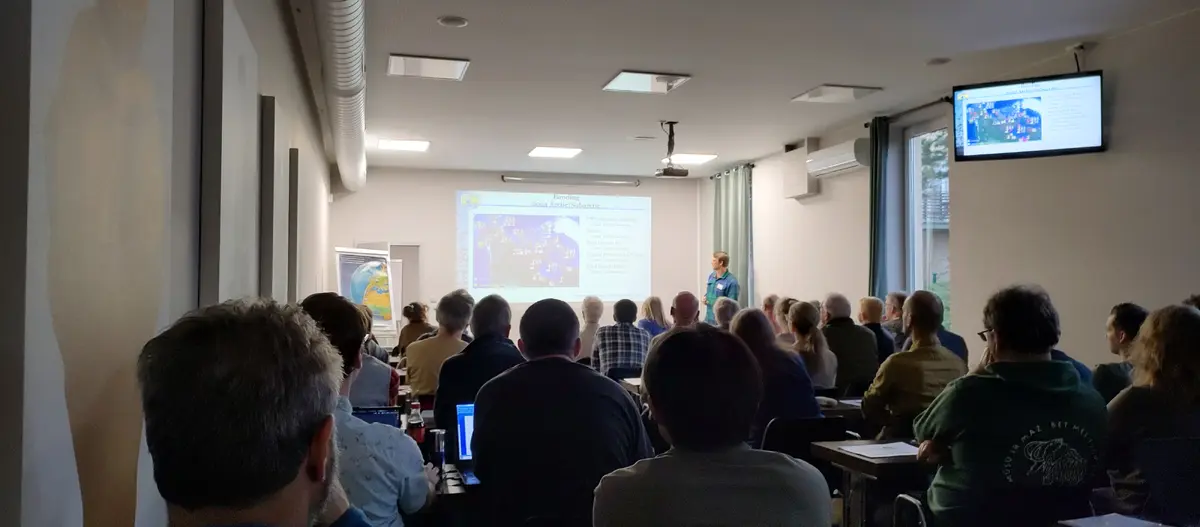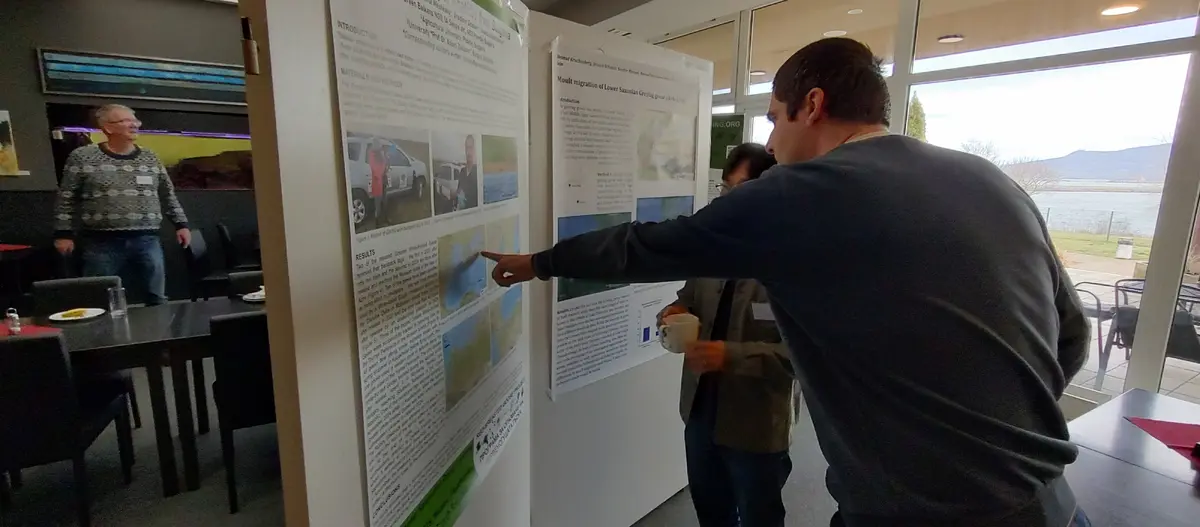
From January 28-31, in Musov in Southern Moravia, almost 80 specialists from three continents on nature protection met to discuss the worldwide status and development of different goose species. Goose are among the most visible and well-known migratory birds.
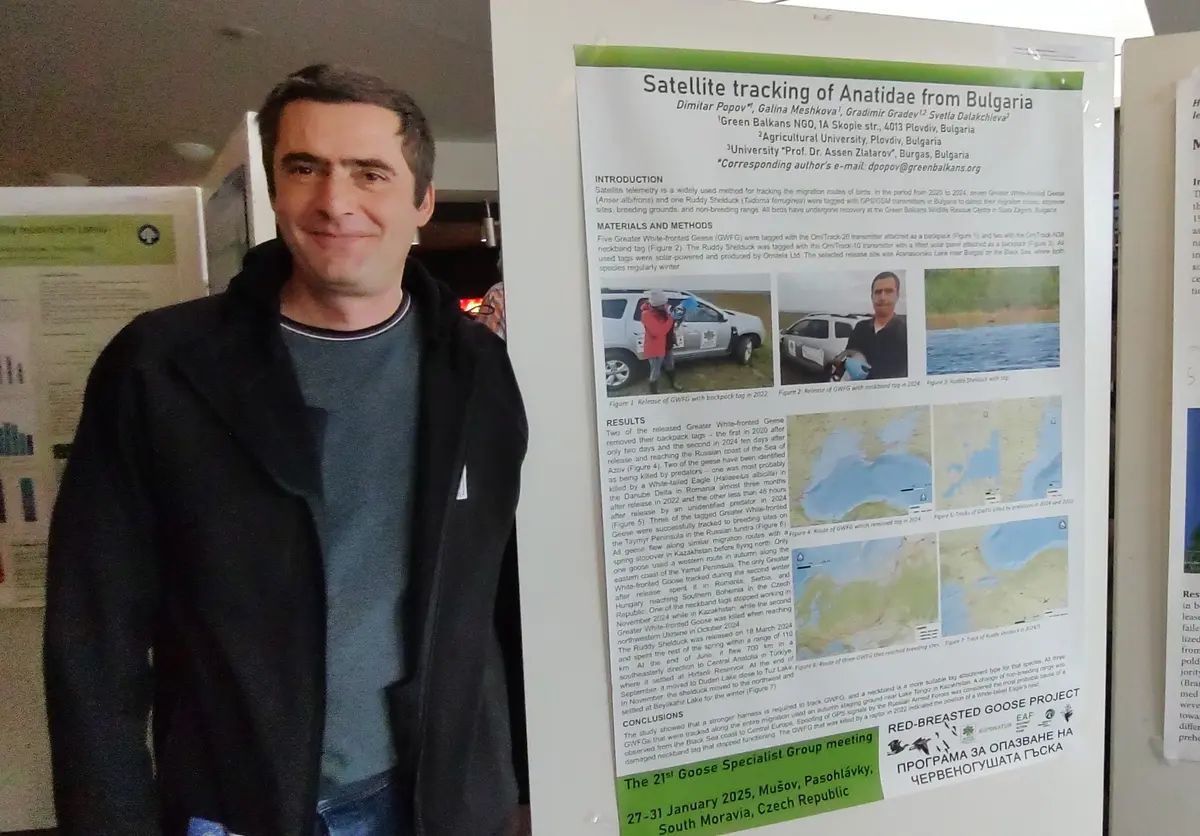
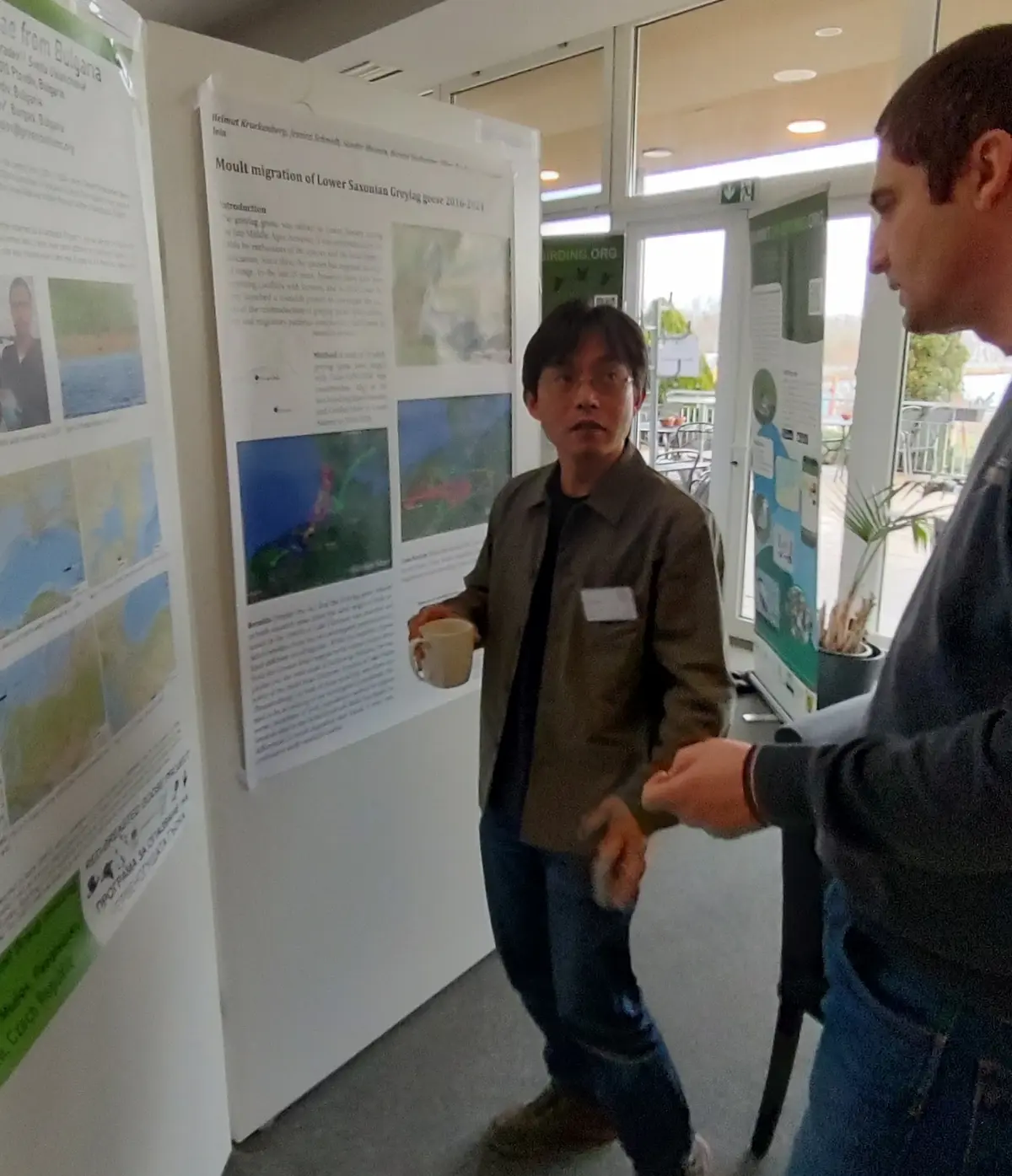
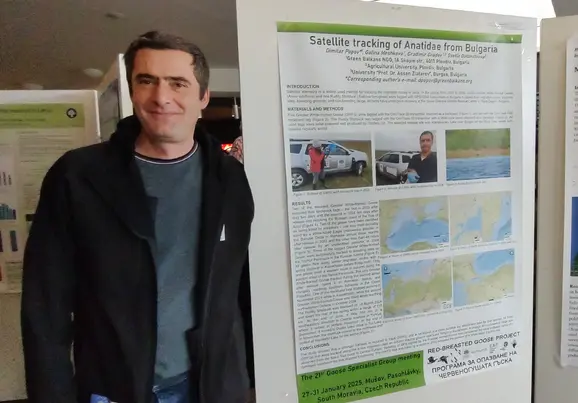
At the conference, Green Balkans experts presented a poster with the results of satellite tracking of Anseriformes individuals wintering in Bulgaria. They discussed methods and techniques to improve the success rate of satellite tracking and the exchange of data to serve the conservation of species on a global scale with colleagues from other countries.
Hunting (sometimes illegal), changing habitats through human development and climate change and with that changing conditions in breeding grounds (often in the arctic) are among the challenges. Some geese fly astonishing migration routes, e.g. Central Asian Bar-headed geese, which fly from breeding grounds in Mongolia over the Himalayas to wintering places on the Indian subcontinent. Another such example is the individuals tracked by our team, which fly thousands of kilometers, sometimes over truly dangerous areas, to reach their breeding grounds in Siberia, and then follow the same route to their wintering grounds.
The conference in Musov brought together scientists from all over the world to learn more about populations and their flyways and discuss better conservation for geese.
At the conference, Green Balkans experts presented a poster with the results of satellite tracking of Anseriformes individuals wintering in Bulgaria. They discussed methods and techniques to improve the success rate of satellite tracking and the exchange of data to serve the conservation of species on a global scale with colleagues from other countries.
Hunting (sometimes illegal), changing habitats through human development and climate change and with that changing conditions in breeding grounds (often in the arctic) are among the challenges. Some geese fly astonishing migration routes, e.g. Central Asian Bar-headed geese, which fly from breeding grounds in Mongolia over the Himalayas to wintering places on the Indian subcontinent. Another such example is the individuals tracked by our team, which fly thousands of kilometers, sometimes over truly dangerous areas, to reach their breeding grounds in Siberia, and then follow the same route to their wintering grounds.
The conference in Musov brought together scientists from all over the world to learn more about populations and their flyways and discuss better conservation for geese.
.JPG)