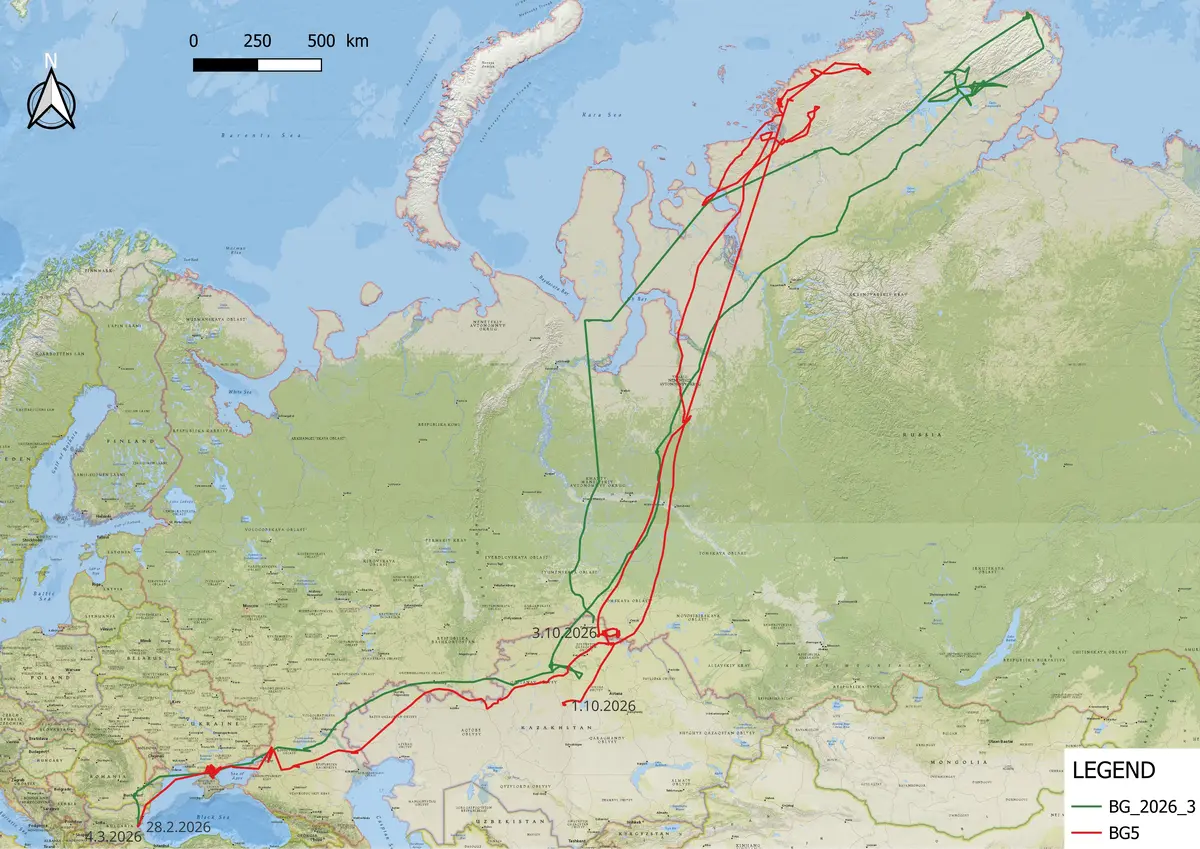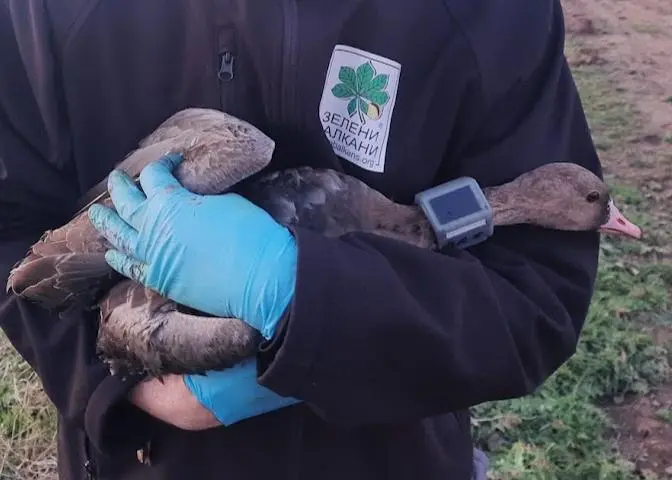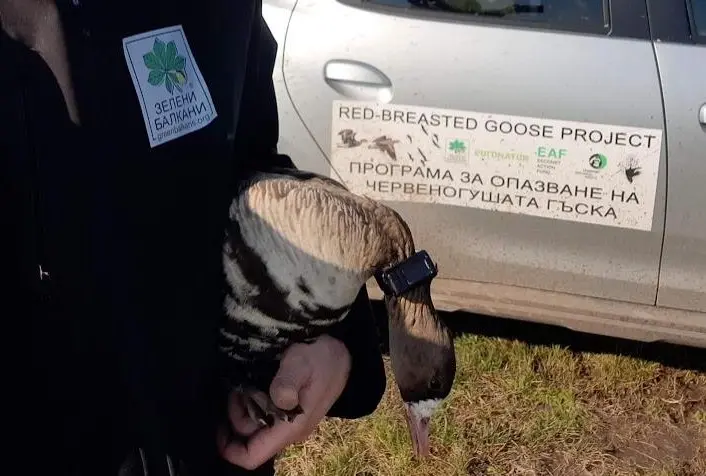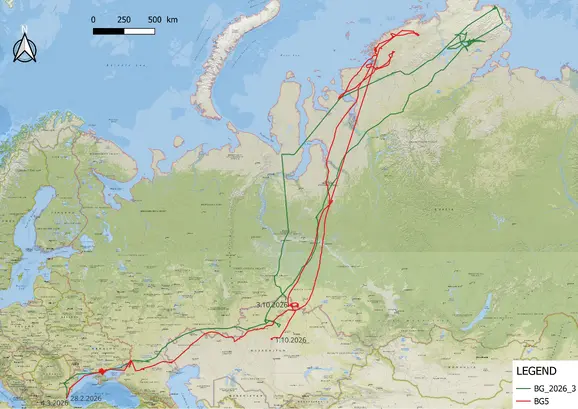
The first two of seven Greater White-fronted Geese fitted with GPS transmitters in March this year have already returned from their breeding grounds in the Far North. The data reveal remarkable migration routes spanning Bulgaria, Kazakhstan and the Taimyr Peninsula. The first two tagged birds, identified by the codes BG5 and BG-2026-3, are now on their return journey from their Arctic breeding grounds. Thanks to the GPS transmitters, we can track in detail the thousands of kilometres these birds travel during their seasonal migrations.
One of the most remarkable journeys belongs to BG5, which on 18 May covered around 1,700 kilometres in just 15 hours, flying from northern Kazakhstan to the Yamalo-Nenets Autonomous Area.
Two routes north converge in Kazakhstan
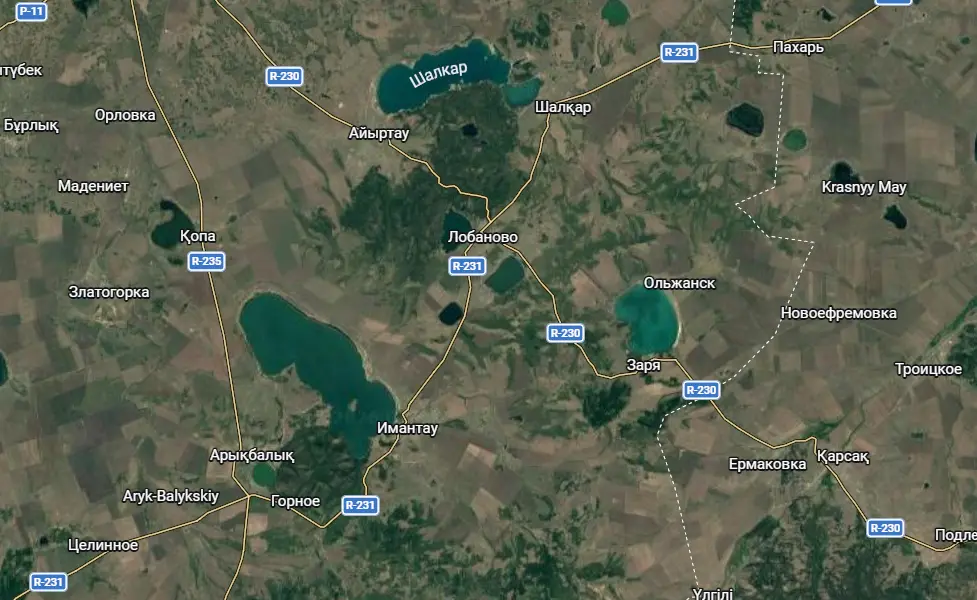
GPS data show that the two birds travelled in different flocks and followed relatively different routes during the initial eastward stage of their migration. Their routes converged when they reached a major migration staging area in Kazakhstan. The two flocks spent some time there resting and feeding, at locations approximately 400 kilometres apart. From there, they continued north towards their Arctic breeding grounds. Their routes were almost identical all the way to the Taimyr Peninsula.
Both flocks made their major northward journey almost simultaneously – one on 16 May and the other on 17–18 May. Remarkably, despite the differences in their routes, both birds crossed the Arctic Circle on the same date – 30 May. After reaching Taimyr, the birds headed towards different breeding territories.
From the western shores of Taimyr to Lake Taimyr
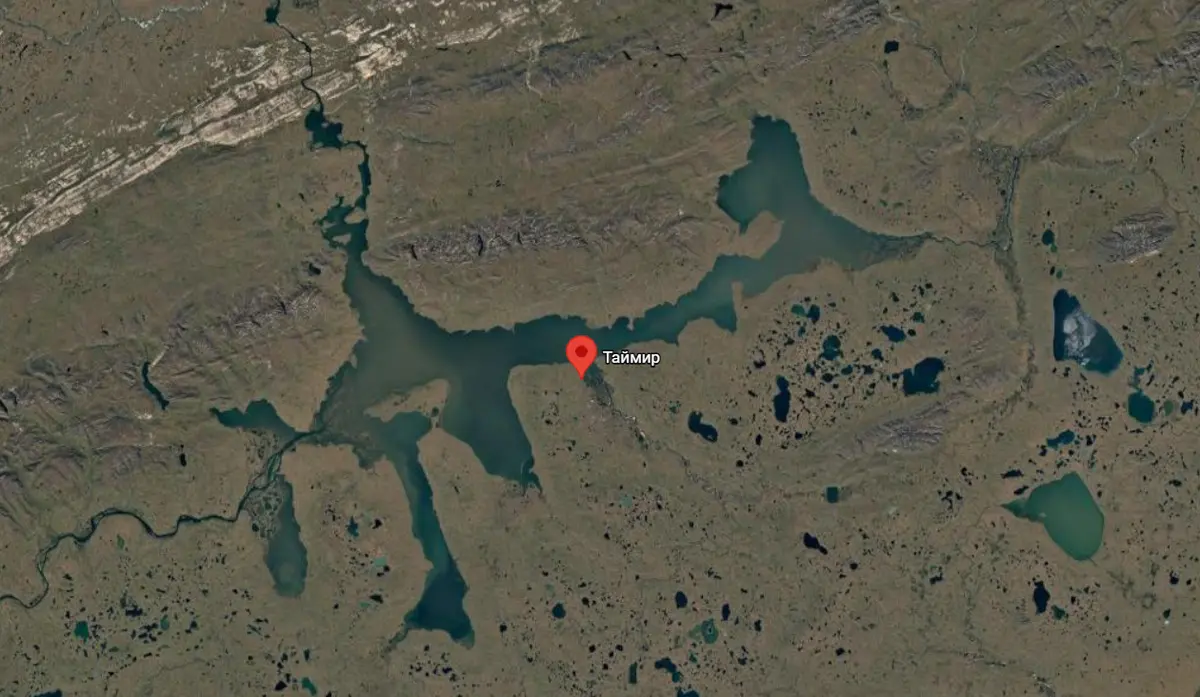
Both birds reached the Taimyr Peninsula, but selected different areas for breeding. BG5 settled on the western shore of the peninsula, while BG-2026-3 selected an area near Lake Taimyr, in the eastern part of the peninsula, within the boundaries of the Taimyr Biosphere Reserve.
Thus, the same broad migration system ultimately takes the two birds to different breeding territories, hundreds of kilometres apart.
The return journey to the wintering grounds is different too
The differences continue during the autumn migration. BG5 travelled from Taimyr to Kazakhstan about a week earlier than BG-2026-3. As during the spring migration, the two birds also used different areas in Kazakhstan in autumn. The distance between their respective staging locations was again approximately 300–400 kilometres.
These observations demonstrate how flexible migration strategies can be in Greater White-fronted Geese and how much valuable information GPS tracking can provide. It allows researchers to identify not only the main migration routes, but also the sites the birds use for resting, feeding and staging during their long journeys.
Why are Greater White-fronted Geese being tagged as part of a Red-breasted Goose conservation programme?
The tagging of Greater White-fronted Geese is part of the “Red-breasted Goose Conservation Programme”. The reason is the close association between the two species during migration and wintering – Red-breasted Geese and Greater White-fronted Geese commonly form mixed flocks.
In recent years, however, the number of Red-breasted Geese wintering in Bulgaria has become extremely low. Climate change is among the factors influencing the species’ traditional migration patterns. In this context, tracking Greater White-fronted Geese that share migration routes and wintering habitats with Red-breasted Geese provides an important opportunity to collect data on their movements and the key sites they use along the migration route.
GPS tracking of the seven tagged birds will continue to provide information on their movements between wintering and Arctic breeding grounds. Accumulating such data is important for improving our understanding of changes in migration patterns and for informing effective conservation measures for the Red-breasted Goose and the habitats associated with it.
The activities are part of the “Red-breasted Goose Conservation Programme”.
One of the most remarkable journeys belongs to BG5, which on 18 May covered around 1,700 kilometres in just 15 hours, flying from northern Kazakhstan to the Yamalo-Nenets Autonomous Area.
Two routes north converge in Kazakhstan
GPS data show that the two birds travelled in different flocks and followed relatively different routes during the initial eastward stage of their migration. Their routes converged when they reached a major migration staging area in Kazakhstan. The two flocks spent some time there resting and feeding, at locations approximately 400 kilometres apart. From there, they continued north towards their Arctic breeding grounds. Their routes were almost identical all the way to the Taimyr Peninsula.
Both flocks made their major northward journey almost simultaneously – one on 16 May and the other on 17–18 May. Remarkably, despite the differences in their routes, both birds crossed the Arctic Circle on the same date – 30 May. After reaching Taimyr, the birds headed towards different breeding territories.
From the western shores of Taimyr to Lake Taimyr
Both birds reached the Taimyr Peninsula, but selected different areas for breeding. BG5 settled on the western shore of the peninsula, while BG-2026-3 selected an area near Lake Taimyr, in the eastern part of the peninsula, within the boundaries of the Taimyr Biosphere Reserve.
Thus, the same broad migration system ultimately takes the two birds to different breeding territories, hundreds of kilometres apart.
The return journey to the wintering grounds is different too
The differences continue during the autumn migration. BG5 travelled from Taimyr to Kazakhstan about a week earlier than BG-2026-3. As during the spring migration, the two birds also used different areas in Kazakhstan in autumn. The distance between their respective staging locations was again approximately 300–400 kilometres.
These observations demonstrate how flexible migration strategies can be in Greater White-fronted Geese and how much valuable information GPS tracking can provide. It allows researchers to identify not only the main migration routes, but also the sites the birds use for resting, feeding and staging during their long journeys.
Why are Greater White-fronted Geese being tagged as part of a Red-breasted Goose conservation programme?
The tagging of Greater White-fronted Geese is part of the “Red-breasted Goose Conservation Programme”. The reason is the close association between the two species during migration and wintering – Red-breasted Geese and Greater White-fronted Geese commonly form mixed flocks.
In recent years, however, the number of Red-breasted Geese wintering in Bulgaria has become extremely low. Climate change is among the factors influencing the species’ traditional migration patterns. In this context, tracking Greater White-fronted Geese that share migration routes and wintering habitats with Red-breasted Geese provides an important opportunity to collect data on their movements and the key sites they use along the migration route.
GPS tracking of the seven tagged birds will continue to provide information on their movements between wintering and Arctic breeding grounds. Accumulating such data is important for improving our understanding of changes in migration patterns and for informing effective conservation measures for the Red-breasted Goose and the habitats associated with it.
The activities are part of the “Red-breasted Goose Conservation Programme”.
.JPG)